What to Set Up First So Simple Art Projects Feels Easier to Keep
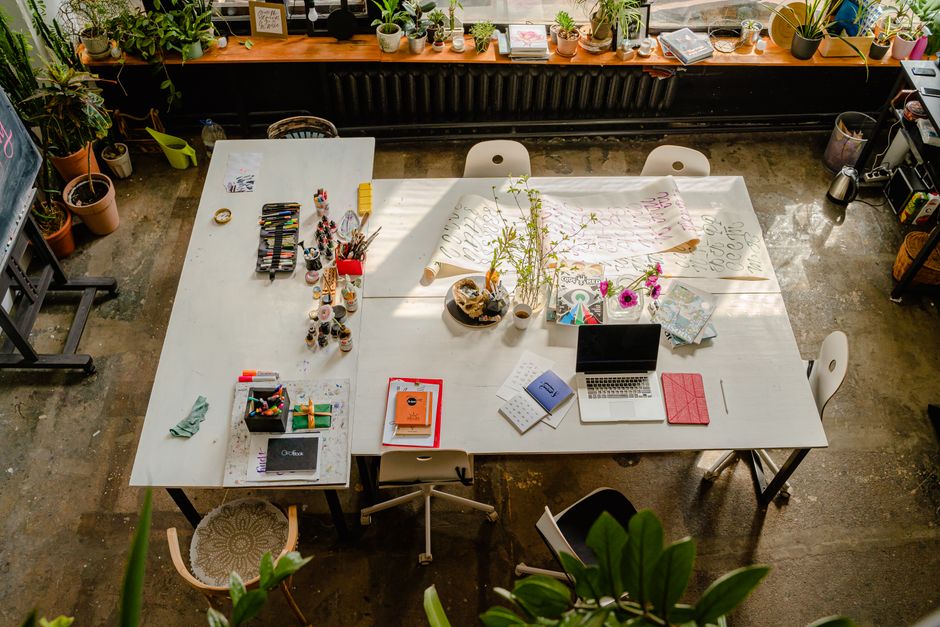
As the clock ticks toward the quiet block before work, the art desk is already set with a sketchbook, a pen, and a coffee mug half-full. You sit down, ready to dive into a short creative session, but a nagging thought lingers: did you choose the next page in your sketchbook? It’s a small detail, yet it can derail your momentum in an instant. Instead of flowing into your drawing, you find yourself hesitating, flipping through pages, and losing that initial spark of inspiration.
This moment of indecision often stems from a simple oversight. Leaving the next page unmarked or failing to have your favorite tool within reach can create friction that halts your creativity. As you glance at the supply tray, you realize that the colored pencils you intended to use are still packed away, and now you’re faced with the choice of either settling for less or interrupting your flow to dig them out. It’s a frustrating cycle that can turn a promising evening into a missed opportunity for creativity.
A Quiet Moment at the Art Desk
The art desk is a familiar sight, cluttered with a sketchbook, a pen, and a half-full coffee mug, all waiting for your touch. It’s a quiet block of time, just after dinner, where the world outside fades away, and creativity beckons. You sit down, eager to start drawing, but a slight hesitation creeps in. The next page in your sketchbook is still unchosen, and that nagging thought pulls at your focus.
Before you can dive into your drawing, you realize you haven’t marked the page where you left off last time. You flip through the sketchbook, eyes scanning the pages, and suddenly the flow of inspiration begins to wane. That small oversight of not placing a sticky note or a quick doodle on the last completed page has turned your eager start into a moment of indecision. The vibrant ideas that were swirling in your mind start to dissipate as you wrestle with the choice of continuing on an empty page or backtracking to find where you left off.
Looking over at the supply tray, you notice the colored pencils you intended to use are still tucked away in a drawer. This realization adds another layer of friction. You could either settle for a basic black pen, which feels uninspiring, or interrupt your creative session to rummage through your supplies. This tradeoff between maintaining momentum and ensuring you have the right tools can derail your session before it even begins. A simple note for next time—"Choose the next page before starting"—could save you from this hesitation, but for now, you’re left weighing your options, caught between creativity and setup drag.
The Missing Tool That Halts Creativity
This same friction shows up again in Creative Hobbies For Adults, especially when the day tightens unexpectedly.
As you settle into your home desk for a quick creative session, the familiar sight of your supplies brings a sense of anticipation. The notebook is open to a fresh page, and your coffee mug sits nearby, steam curling up into the air. You reach for your favorite colored pencils, but a glance at the supply tray reminds you they’re still tucked away in a drawer. This small oversight becomes a hurdle, as you realize you forgot to leave them out during your last session.
Now, instead of diving into your journaling, you find yourself hesitating. The vibrant ideas that were bubbling up in your mind begin to fade as you weigh your options. You could grab a basic black pen and start doodling, but that feels uninspired. Alternatively, you could interrupt your flow to rummage through the drawer, but that risks losing the spark of creativity. The moment of indecision lingers, and the excitement of your short block before work evaporates into frustration.
To avoid this pitfall in the future, consider placing a small note on your art desk that reads, "Leave out colored pencils for next time." This simple action can serve as a reminder to prepare your tools ahead of time, ensuring that you can jump straight into your creative flow without the drag of setup. By making this small adjustment, you can keep the momentum alive and focus on your projects instead of getting caught in the setup cycle.
Quick Fixes to Regain Focus
A slightly different version of this problem appears in Starting New Hobbies Slowly, where the sequence changes but the hidden drag feels familiar.
As you wrap up a creative session, the last few minutes can often slip away unnoticed, especially if you haven't set a clear stopping point. You glance at your supply tray, filled with colored pencils, a sketchbook, and a half-finished drawing, but instead of feeling accomplished, you sense a nagging frustration. The next page in your sketchbook remains untouched, and the thought of starting again tomorrow looms large. This is where a small adjustment can make a significant difference.
- Leave out essential tools like colored pencils on your art desk for the next session.
- Create a checklist of materials to have ready, ensuring nothing is overlooked.
- Place a note on your desk that prompts you to choose the next page before finishing today’s work.
By implementing these quick fixes, you can eliminate setup friction and maintain your creative flow. Set a reminder on your phone to check your supply tray just before you start your next session. This way, you’ll be ready to dive right back into your projects without losing momentum, making your creative habits more sustainable.
Building a Consistent Creative Habit
At the end of each creative session, take a moment to jot down which tools you used and which ones were missing. This simple act can transform your next session from a frustrating scramble into a smooth experience. For instance, if you find that you often forget your favorite fine-tipped pen, make a note to leave it out on your art desk. This way, it’s ready for you when you sit down to create again.
Marking the next page in your sketchbook before you finish for the day can also set the stage for a seamless restart. Use a sticky note or a small piece of washi tape to indicate where you’ll begin next time. This visual cue not only invites you back to your work but also eliminates the mental load of deciding where to start. You can simply open your sketchbook to the marked page and dive straight in.
When you establish this routine, it becomes easier to maintain your creative flow. Each session builds on the last, creating a rhythm that feels natural. The friction of setup fades away, allowing you to focus on your projects instead of the logistics of starting. By integrating these small adjustments, you ensure that your art practice remains consistent and enjoyable, even on busier days.
As you wrap up your creative session, take a moment to leave your favorite pen or a specific tool out on your supply tray. This simple act can serve as a visual cue for your next session, making it easier to jump back in without the usual setup drag. The next time you sit down at your home desk, you’ll be greeted by that familiar tool, prompting you to dive right into your project.
Remember to mark the next page in your sketchbook before you finish for the day. This small gesture not only eliminates the decision fatigue of choosing where to start but also helps maintain your momentum. With these adjustments, you can ensure that the small oversights that often derail your creative sessions are minimized, allowing your art practice to flourish even on the busiest days.


