Rethinking Your Simple Art Projects: A Comparison of Methods

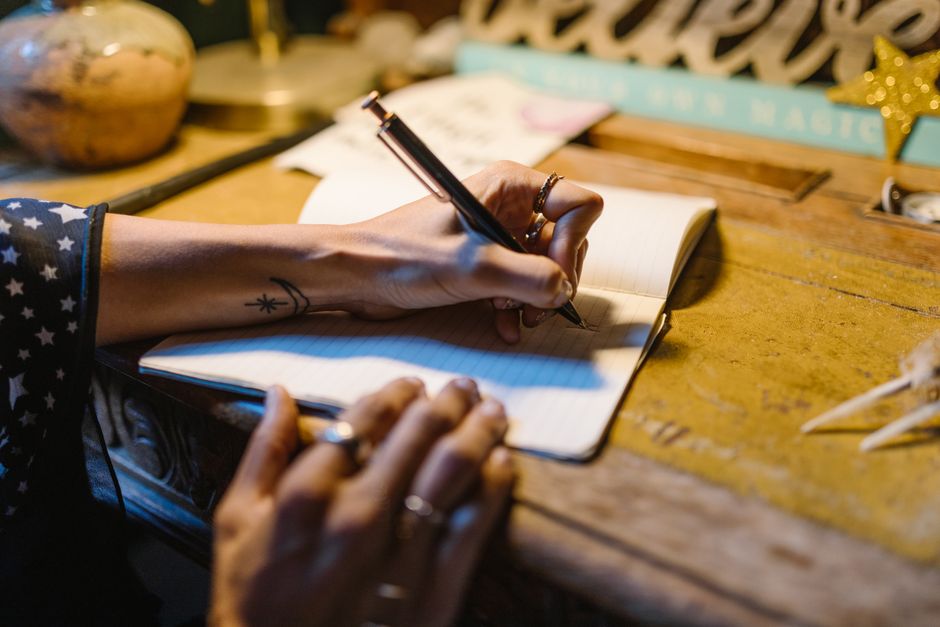
As the sun begins to set, casting a warm glow over the art desk corner, you reach for your sketchbook. The coffee mug sits nearby, half-full, a reminder of the quiet block of time you carved out after dinner to indulge in a short creative session. With a few minutes to spare, you pull out your favorite pen, eager to dive into a drawing or a quick journaling entry. However, the moment you sit down, a familiar tension creeps in; the supplies are still zipped tightly in a bag, and the thought of unpacking everything feels like a barrier to starting.
This friction often leads to missed opportunities for creativity. Instead of simply flipping open the sketchbook and letting the pen flow, you find yourself hesitating, mentally calculating the time it will take to set up. The art practice you envisioned becomes a chore, and before you know it, the session ends without a clear restart cue. This pattern reveals a common oversight: the need for a visible supply cue that invites you to jump back into the flow of your projects. Keeping materials ready and accessible can transform these moments from potential frustration into seamless creative habits.
How Most People Start Their Creative Sessions
As you glance at your art desk corner, the sight of scattered supplies tucked away in bags or drawers can be disheartening. The vibrant colors and textures of your materials are hidden from view, making it easy to overlook the potential for creativity. When you finally decide to engage in a craft project, the first step often involves rummaging through these containers, searching for the right sketchbook, pen, or even a pair of scissors. This initial gathering process can feel reasonable, especially after a long day at work, but it quickly turns into a time-consuming chore.
Once you locate your supplies, the next challenge arises: setting everything up. You might find yourself clearing a small space on the desk, pushing aside a half-finished project or a coffee mug that has become an unwelcome part of the clutter. This sequence of actions can easily eat up precious minutes, leading to a frustrating realization: by the time you’re ready to create, the moment of inspiration may have passed. The anticipation of starting a quick drawing or journaling entry fades as you mentally tally the time spent preparing instead of creating.
To streamline this process, consider establishing a visible supply cue. Place your favorite pen and sketchbook on the desk, ready for immediate use. This small adjustment can serve as a reminder to dive right into your creative session, minimizing the friction that often derails your artistic flow. By keeping essential materials within arm's reach, you transform your art practice from a cumbersome task into a spontaneous act of creativity, making it easier to seize those quiet moments before work or after dinner.
Where the Default Method Falls Short
After a long day, the last thing you want is to spend precious minutes rummaging through a bag of art supplies. If your sketchbook and pens are zipped away in a drawer, the fatigue of setting up can quickly drain your motivation. You might find yourself staring at a cluttered art desk corner, wishing you could just dive into a quick drawing instead of feeling overwhelmed by the setup process.
Interruptions can easily derail your creative momentum. When you finally sit down with your coffee mug in hand, the urge to create can fade as you remember that you need to locate your favorite pen. This simple task can feel like a chore, especially if it requires digging through a bag or a drawer. Each moment spent searching can lead to hesitation, and before you know it, the inspiration that sparked your desire to draw has slipped away.
To combat this, consider a small adjustment: keep your essential supplies visible and accessible. Place your sketchbook open on the desk, with your go-to pens neatly arranged beside it. This setup invites you to start drawing immediately, minimizing the risk of losing your creative spark. The visible cue acts as a gentle nudge, reminding you that the next step is simply to pick up the pen and begin. By making this shift, you transform your art practice from a series of barriers into a seamless flow, allowing creativity to thrive even in the briefest of moments.
A slightly different version of this problem appears in Starting New Hobbies Slowly, where the sequence changes but the hidden drag feels familiar.
A Streamlined Approach to Your Art Practice
At the corner of your art desk, a small basket holds neatly organized supplies: colored pencils, a favorite sketchbook, and a couple of pens, all ready for action. This setup contrasts sharply with the common scenario where supplies are packed away in a bag, requiring time to unpack and sort before you can even begin. By keeping these materials visible and accessible, you create an inviting space that encourages spontaneous creativity, whether it's a quick sketch or a longer journaling session.
When you finish a creative session, instead of shoving everything back into a bag, take a moment to leave your sketchbook open and your tools within reach. This small adjustment serves as a visual cue, signaling that your next step is just a pen stroke away. If you plan to return after dinner or during a quiet morning, this setup reduces the friction of starting again. You’re not just saving time; you’re also preserving your creative momentum. The difference is clear: an organized, visible workspace fosters a smoother transition back into your art practice, while a cluttered, hidden setup can stifle your inspiration before it even begins.
The Tradeoff Between Convenience and Control
Having your art supplies ready at a moment's notice can be a double-edged sword. On one hand, keeping your sketchbook open on the art desk corner and your pens neatly arranged allows you to dive into a drawing or journaling session right after dinner. This setup invites creativity, as the visible tools serve as a reminder of your next step. However, the ease of access can also lead to distractions. With everything laid out, it’s tempting to pick up your phone or get sidetracked by other tasks instead of focusing on your art practice.
Moreover, a cluttered workspace can quickly become overwhelming. If your supplies, like colored pencils and paint tubes, are strewn across the desk without a clear organization system, the very tools meant to inspire can create visual chaos. This can stifle your motivation, making it harder to start a new project. In contrast, if you choose to keep your materials zipped in a bag, you may sacrifice immediate access but gain a sense of control over your environment. You can create a more serene space, which might be beneficial for focused creative sessions.
Ultimately, the tradeoff lies in what you prioritize. If you value spontaneity and quick access to your projects, maintaining a visible setup is worth the risk of potential clutter and distraction. However, if you find that the mess disrupts your focus, consider a more organized approach. Perhaps designate specific times to tidy up your art desk, ensuring that your creative space remains inviting without becoming overwhelming.
When That Alternative Fits Better
This same friction shows up again in Creative Hobbies For Adults, especially when the day tightens unexpectedly.
As the evening light fades, your art desk corner transforms into a cozy nook, perfect for a quick creative session. The sketchbook sits open, its pages inviting you to doodle or journal. However, if your supplies remain zipped in a bag, you might miss the immediate thrill of diving into your projects. Yet, this method can actually streamline your creative process, especially when time is tight.
Consider a busy weeknight when you have just thirty minutes before dinner. Instead of rummaging through scattered materials, you can reach for your bag, unzipping it to reveal neatly organized tools. A pencil, a few colored pens, and a small eraser are all you need. This setup eliminates the friction of deciding what to use and allows you to focus on the act of creating. The act of simply placing your sketchbook on the table and pulling out your favorite pen can trigger a flow state, where ideas come alive without the distraction of clutter.
However, if you often find yourself ending sessions without a clear restart cue, this method may not be ideal. The bagged supplies can lead to a lack of visual reminders that inspire you to pick up where you left off. You might want to consider marking the next step in your sketchbook, like a small note or a doodle that signifies where you want to continue. This way, even if your materials are tucked away, you have a clear signal to jump back into your creative habit when time allows.
Maintaining a small creative habit can be as simple as keeping your art supplies visible and ready for use. When you finish a session, take a moment to place your sketchbook on the desk and jot down a quick note about where to resume next time. This small act not only provides a clear restart cue but also keeps your creative momentum alive. If your supplies are still zipped away in a bag, consider moving them to an open drawer or a dedicated shelf on your art desk. This way, you’ll have a constant visual reminder to engage with your projects, making it easier to dive back into your creative practice.
Ultimately, the friction of a cluttered setup or hidden materials can hinder your artistic flow. By making these minor adjustments, you can transform your art desk into a welcoming space that invites creativity, ensuring that your simple art projects remain accessible and enjoyable. As you wrap up each session, remember to check your supplies and make a plan for your next step—it’s a small but effective way to keep your creative habits thriving.