How Simple Art Projects Changes When the Setup Gets Simpler
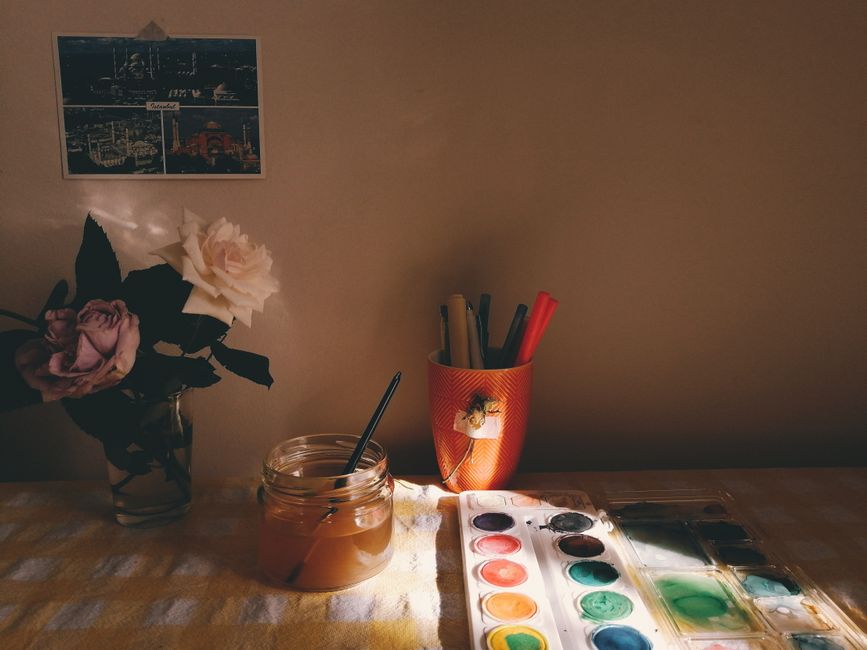
At the corner of my art desk, the sketchbook lies open, the pages slightly crinkled from previous creative sessions. A quiet block of time stretches before me, just after dinner, and I can almost taste the coffee I brewed earlier. Yet, as I reach for my pencil, I realize it’s dull and in need of sharpening. This small but crucial step creates a moment of friction, halting my flow before I even start. The supplies are all within reach, but they aren’t ready for action, and this gap in preparation can easily derail my intentions for a productive evening.
It’s easy to overlook these simple details—like ensuring the pencil is sharpened or having my favorite pen nearby—when the goal is to dive into a project. Each time I sit down, I find myself facing the same challenge: the excitement of starting a new craft project can quickly fade if I have to pause to set up. This missed check not only disrupts my creative rhythm but also highlights how simple art projects can become unexpectedly complicated. The key lies in recognizing these friction points and adjusting my setup to streamline the process, ensuring I can transition smoothly into my art practice.
The First Step That Gets Skipped
As I settle into my art desk corner, the familiar sight of my sketchbook and pens scattered across the surface brings a sense of comfort. However, the reality hits me: those supplies are visible but not organized for immediate use. I reach for my pencil, only to realize it needs sharpening before I can even begin my drawing. This oversight seems reasonable at first; after all, I can see everything I need. But that small detail becomes a barrier, halting my creative flow.
Before diving into a short creative session, I take a moment to photograph the current state of my setup. This simple act serves as a visual reminder of what needs attention. I check my favorite pen's ink level and ensure my notebook is open to a fresh page. Each of these steps, while seemingly trivial, plays a crucial role in preparing for a productive evening. The friction created by an unsharpened pencil or misplaced materials can quickly shift my focus from creating to fixing. Recognizing this, I make it a point to keep my supplies ready and organized, so I can transition smoothly into my art practice without unnecessary delays.
When the Default Method Fails
As I settle into my art desk corner, I’m greeted by a jumble of supplies—sketchbooks stacked haphazardly, a coffee mug half-full of brushes, and a scattering of colored pencils. The clutter is overwhelming, and I can feel my creative energy waning before I even begin. I glance at the clock; I have a quiet block of time before work, but the chaotic setup makes it hard to focus on starting a simple drawing.
Instead of diving in, I pause to assess the situation. The first step is to clear a small space on my desk, moving aside the sketchbooks that are piled on top of each other. I pull out my favorite sketchbook and open it to a fresh page, but then I realize I can’t find my pencil. It’s buried beneath a few stray markers. This moment of searching adds unnecessary friction, turning what should be an enjoyable creative session into a frustrating scavenger hunt.
In an effort to streamline my process, I decide to photograph my current setup. This visual cue will remind me of what’s needed for next time. I check the ink level in my favorite pen and ensure my notebook is ready to capture ideas. Each of these small actions—clearing the desk, finding the right tools, and documenting the chaos—helps me see what needs attention. Yet, I can’t shake the feeling that the default method of just jumping in often leaves me scrambling instead of creating. The pressure of a cluttered workspace can turn a simple art project into a daunting task, and I’m left wondering how to shift my approach for a smoother start next time.
This same friction shows up again in Starting New Hobbies Slowly, especially when the day tightens unexpectedly.
A Better Order for the Same Five Minutes
After a few missed evenings, approaching my art desk corner feels daunting. The familiar sight of my sketchbook and coffee mug is comforting, yet the nearby supplies are scattered and unprepared. This clutter can easily derail my creative session before it even begins. Instead of diving in, I’ve started to implement a quick pre-session routine that minimizes setup friction.
- First, I gather all my materials—pencils, markers, and my favorite notebook—into a designated space on the desk. This not only clears the clutter but also makes everything visually accessible.
- Next, I prepare a simple checklist of supplies needed for my session. I jot down essentials like the pencil sharpener, ensuring I won’t waste time searching for it later.
- Finally, I take a moment to photograph my organized setup. This snapshot serves as a reminder of what I need to have at hand for future sessions, reinforcing the habit of being prepared before I start creating.
By shifting the order of my actions, I can transform those five minutes into a productive setup rather than a frantic scramble. The difference is tangible: with everything in its place, I can focus on my craft instead of the chaos around me.
The Tradeoff of Preparedness vs. Spontaneity
On my art desk corner, the sight of scattered supplies often feels like a double-edged sword. While having my sketchbook, a few colored pencils, and a coffee mug within reach invites spontaneous creativity, it can also lead to chaos. The urge to dive into a project without prepping can be tempting, but I’ve learned that this spontaneity often comes at a cost. For instance, if I sit down to draw but realize my favorite pencil needs sharpening, that simple delay can derail the entire session. I find myself frustrated, wishing I had taken a moment to prepare.
However, when I do take the time to organize my materials, the difference is striking. I’ve started keeping a small checklist pinned to the wall above my desk, noting essential items like the pencil sharpener and extra paper. This small adjustment means I can quickly gather everything I need before diving in. It transforms what could be a disjointed experience into a focused creative session. The tradeoff is clear: while being prepared might feel restrictive, it ultimately paves the way for deeper engagement with my art.
Not every creative moment needs to be meticulously planned, but the act of being ready can enhance the quality of my sessions. The spontaneity I crave still exists, but it’s now supported by a foundation of preparedness. When I photograph my organized setup before starting, I capture not just a moment of readiness but also a reminder of what I can achieve when I minimize friction. This balance between preparation and spontaneity is what keeps my creative practice flowing, even on those evenings when I feel the pull to just jump in.
When to Embrace the Alternative Approach
If this pattern keeps repeating, Creative Hobbies For Adults extends the idea without leaving the niche.
Evenings at my art desk often feel like a tug-of-war between ambition and fatigue. The sketchbook lies open, but the pencil is dull, and my coffee mug sits empty. I’ve learned that the best time to dive into my creative practice is during those quiet blocks before work or after dinner, when the world slows down just enough for a short session. This is when I can truly embrace the alternative approach of keeping supplies ready.
On one such evening, I found myself staring at my art desk corner, supplies scattered but not organized. I could see my sketchbook, but the pencil needed sharpening before I could even start. It’s a small detail, yet it highlights a larger issue: supplies are nearby but not ready. This friction can derail my intentions, turning a simple art project into an exercise in frustration. Instead, I’ve begun to take a moment to prepare. I gather my tools—sharpening the pencil, laying out extra paper, and filling my coffee mug—before I sit down.
To streamline this process, I’ve started photographing my organized setup. This not only serves as a visual cue for what I need but also reminds me of the ease I can create for myself. When I have everything in place, I can jump right into my creative session without the usual delays. Embracing this alternative approach has made a significant difference, allowing me to reconnect with my art practice even after a few missed evenings.
Returning to my art desk after a few missed evenings, I realize that a little preparation can bridge the gap between intention and action. The simple act of sharpening my pencil and laying out my sketchbook transforms the space into a welcoming environment for creativity. Without this small setup, I find myself stalling, staring at scattered supplies instead of diving into my project.
Next time, I’ll take a moment to photograph my organized art corner, capturing the ready state of my materials. This visual cue not only reminds me of the setup I need but also encourages me to maintain that order. By making sure my supplies are not just nearby but actually ready for use, I can reclaim those quiet moments before work or after dinner for my creative hobbies without the usual friction.


