A Better Order for Simple Art Projects When Time Gets Tight
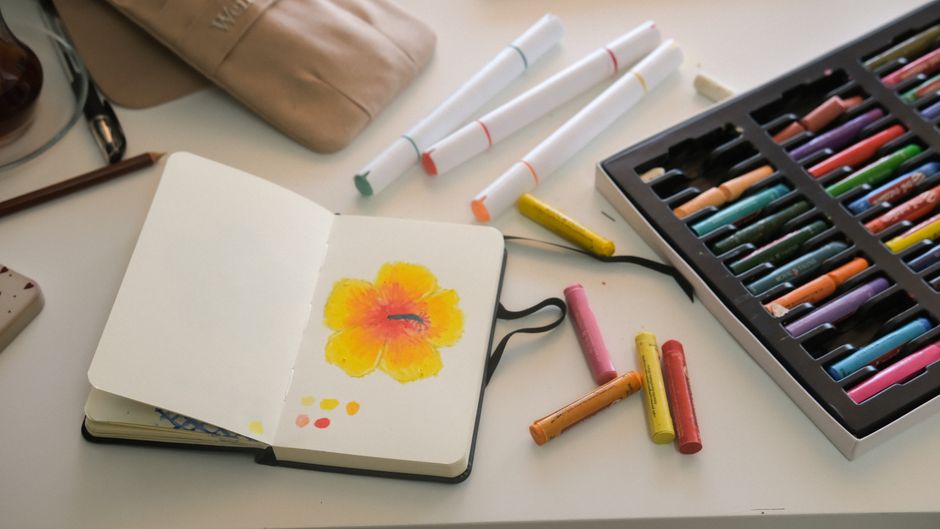
At the edge of my sketchbook, a blank page waits, inviting yet daunting. The coffee mug beside my art desk is still warm from my earlier sip, and the quiet of the evening wraps around me like a cozy blanket. I have a few simple art projects in mind, but as I glance at the supplies zipped in their bag, a familiar hesitation creeps in. The markers, paper, and tools are all nearby, but they’re not quite ready for action. This moment, just before I dive into a creative session, often reveals the friction that can derail my intentions.
Opening the bag feels like a small task, but it’s the first step that often gets skipped. I know I should take a moment to lay out my materials, but the thought of unzipping the bag and sorting through the supplies feels like a hurdle. Instead, I find myself staring at the empty sketchbook page, wondering if I’ll remember where I left off. Without that simple act of preparation, I risk losing the spark of creativity that could turn this quiet block of time into a fulfilling art practice.
The First Step That Gets Skipped
On my home desk, the sketchbook sits open, its crisp pages waiting for a splash of color. Next to it, a pen rests beside a half-empty coffee mug, both silent witnesses to my intentions. The quiet block of time before work is perfect for creativity, yet I find myself hesitating. My art supplies, neatly zipped in a bag, are within reach but not yet ready for action. This is where the friction begins; I know I need to set my materials out, but the thought of unzipping the bag feels like a daunting task. Instead, I linger, staring at the blank page, unsure of my next move.
Opening the bag and laying out the markers, colored pencils, and paper should be the first step, but often it gets skipped. I think about how simple it would be to just take a moment to prepare. Lifting the bag’s zipper, I pull out a few essential tools, placing them directly on the desk. The act of arranging them—markers in a neat row, the sketchbook angled just so—creates a visual cue that sparks my creativity. I make a quick note in the corner of the sketchbook page, marking where I left off last time. This small adjustment helps me focus, transforming the quiet time into a productive session. Yet, as I glance back at the supplies, I realize that without this preparation, I risk losing the momentum I’ve built, caught in the friction of a simple task left undone.
Identifying the Break Point
This same friction shows up again in Creative Hobbies For Adults, especially when the day tightens unexpectedly.
As I settle into my art desk, the familiar sight of my sketchbook and a coffee mug nearby brings a sense of comfort. However, the supplies remain zipped in a bag, creating an invisible barrier between me and my creative session. This hesitation is the first sign of drift; the moment I realize that getting started feels more complicated than it should. I glance at the clock, noting the quiet block of time before work begins, yet I find myself stuck, staring at the blank page, unsure of how to proceed.
- Supplies are within reach but remain zipped in a bag, causing a delay.
- The first step of drawing or journaling feels unclear, leading to inaction.
- A quick note to mark where I left off last time is forgotten, adding to the friction.
To overcome this snag, I need to change my approach. Instead of allowing the supplies to stay zipped, I could take a moment to lay them out on the desk. I pull out my markers and colored pencils, arranging them in front of my sketchbook. This simple act creates a visual prompt, making it easier to dive into the next drawing. As I do this, I make a quick note in the corner of the sketchbook page, marking my last thought. It’s a small but crucial adjustment that can help me regain momentum, transforming hesitation into action. Yet, without this preparation, I risk losing the creative spark, caught in the friction of an unprepared workspace. Why This Friction Repeats The moment I sit down at my art desk, I’m met with the sight of my supplies still zipped in a bag, tucked away in a drawer. This cluttered setup creates an immediate barrier. I can see my sketchbook waiting for attention, but the decision to pull out the markers and colored pencils feels overwhelming. The mental load of deciding which colors to use, or even where to start, becomes heavier when everything isn’t laid out and ready. I find myself staring at the bag instead of drawing, caught in a loop of indecision.
As I glance at the surface of my desk, it’s clear that a lack of organization contributes to distractions. A coffee mug sits precariously close to my sketchbook, and a few loose papers are scattered about. This visual chaos pulls my focus away from the art I want to create. Instead of diving into a creative session, I’m faced with the task of clearing the space, which feels like an added chore rather than an invitation to create. The hidden cause of my struggle isn’t just the supplies being out of reach; it’s the clutter that clouds my mind.
To break this cycle, I need to take a moment to prepare. I set a timer for five minutes to clear the desk, moving the coffee mug to a nearby shelf and stacking the papers neatly. Then, I open the bag and lay out my markers in an organized manner, each color visible and accessible. This small adjustment transforms my workspace into a welcoming environment. I also take a quick note on the edge of my sketchbook, marking where I left off last time. With everything in place, I can finally focus on the drawing without the nagging weight of unpreparedness. Yet, without this simple act of preparation, I risk repeating the same friction, caught in the cycle of hesitation and distraction. A Simple Correction to Mark the Next Step Before diving into a creative session, I find that taking a moment to lay out my supplies can significantly change the flow of my art practice. Sitting at my home desk, I glance at my sketchbook, which lies open to a blank page, ready for ideas. I reach for my zippered bag, which holds an assortment of markers, colored pencils, and a few brushes. Instead of rummaging through the bag mid-session, I unzip it and spread everything out in front of me. The markers, now fanned out in a rainbow display, are not just visible but also inviting.
Next, I grab my notebook and pen, jotting down a quick note on the edge of the sketchbook. I write, "Start with the sunset colors for tonight's drawing." This small act of marking my next step eliminates the uncertainty that often stalls my creativity. Instead of wasting precious minutes trying to remember where I left off, I have a clear direction. It’s a simple correction, but it makes a world of difference. By setting up my workspace with intention, I mitigate the friction that can arise from disorganization, allowing me to jump straight into drawing without hesitation.
As I sip my coffee, I notice the clutter around my desk. Papers piled high and a stray paintbrush rolling off the edge can easily distract me. I take a moment to push the papers aside, creating a clean area for my art supplies. This shift not only clears my physical space but also helps to clear my mind. With everything laid out and a clear next step noted, I can finally engage in my creative hobbies without the nagging weight of unpreparedness lingering in the background.
What Changes Once That Fix Repeats
A slightly different version of this problem appears in Starting New Hobbies Slowly, where the sequence changes but the hidden drag feels familiar.
The moment I sit down at my art desk, I notice the difference that a little preparation makes. My sketchbook lies open, and my pen is right where I left it, ready for the next journaling session. This small act of keeping my supplies accessible transforms my mindset. Instead of feeling overwhelmed by the clutter, I can focus on the page in front of me, the blank space inviting my thoughts and creativity.
During this quiet block before work, I take a moment to assess my materials. The previous night, I zipped my colored pencils back into their bag, but now I pull them out and arrange them in a neat row beside my sketchbook. This simple act of organization allows me to quickly grab the colors I need without wasting time searching through a jumble. I can mark my next step in the drawing with confidence, knowing everything is within arm's reach.
As I begin to sketch, I realize that the friction of disorganization has vanished. My earlier habit of leaving supplies scattered had turned my creative sessions into a scavenger hunt. Now, with my materials in order, I can dive right into my craft project without hesitation. The clarity of knowing where everything is not only saves me time but also enhances my focus, making it easier to capture my ideas as they flow. This shift in my environment allows for a seamless transition into creativity, turning what used to be a chore into a joyful exploration of my artistic practice.
As I sit at my art desk, the scattered supplies from previous sessions remind me of the friction I often encounter when starting new projects. The simple act of keeping my sketchbook open and my favorite pens visible has made a noticeable difference. I now take a moment to jot down a quick note for my next session, marking where I left off and what I want to explore. This small adjustment transforms my workspace into a welcoming invitation to create.
Next time I find myself with a quiet block of time, I’ll remember to check that my materials are not just nearby but ready to use. Ensuring my supplies are neatly arranged and my sketchbook is open allows me to dive straight into drawing, eliminating the barriers that once held me back. With this setup, I can focus on the joy of creating rather than the hassle of preparation.


