Why Simple Art Projects Stall When Setup Takes Too Much Energy
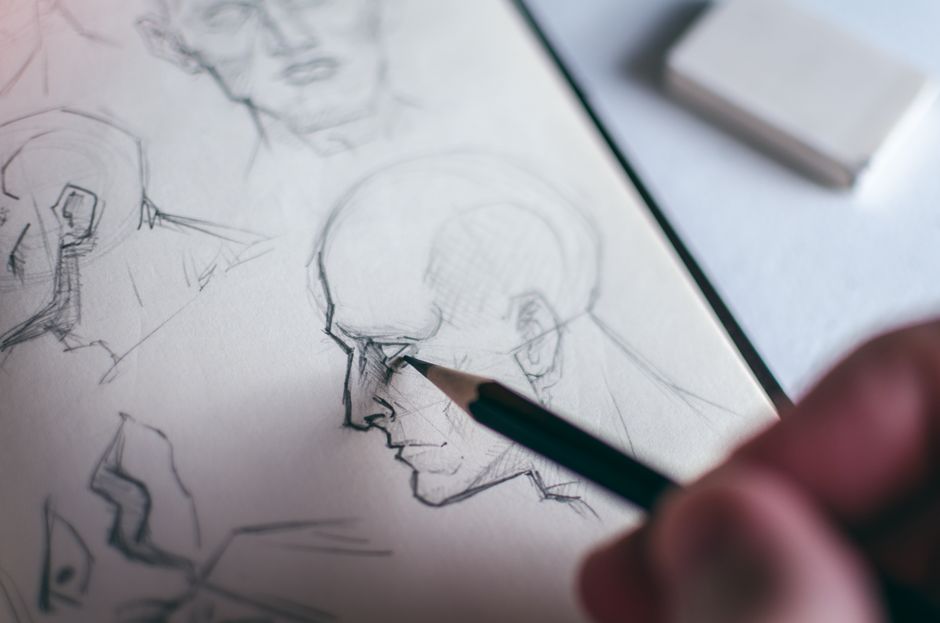
At the home desk, the evening light filters softly through the window, casting a warm glow over the scattered supplies: a sketchbook, a well-loved pen, and a coffee mug half-full. It’s a quiet moment, a perfect opportunity to dive into a quick creative session. Yet, as the adult beginner reaches for the sketchbook, a familiar sense of overwhelm creeps in. The pencil needs sharpening, and the next step was never marked in the chaos of the supply tray. Instead of diving into drawing, there’s a nagging feeling that something essential is missing.
This friction often halts the flow of creativity. The act of sharpening the pencil feels trivial, but it’s a small barrier that can derail the entire session. Without a ready-to-start setup, the mind wanders, and the initial excitement fades. The clutter on the art desk becomes a mental hurdle, where simple tasks like gathering materials or checking the state of the pen can lead to procrastination. The challenge lies not just in the act of creating but in overcoming these minor obstacles that accumulate and stifle inspiration.
The Setup That Often Gets Overlooked
Gathering art supplies can feel like a straightforward task, yet many beginners find themselves in a cluttered mess at the art desk. The sketchbook lies open, but the assortment of pens, pencils, and erasers sprawls across the surface, making it hard to focus. Instead of a clean arrangement, there’s a chaotic jumble that distracts from the creative impulse. This disorganization often stems from a rushed setup, where the excitement of starting a project overshadows the need for a clear workspace.
Before even making a mark on the page, the pencil needs sharpening. This simple act, while seemingly trivial, introduces a delay that can derail the entire session. The sharpener is tucked away in a drawer, and the moment spent retrieving it feels like a small eternity. As the pencil is sharpened, the initial enthusiasm wanes, replaced by a nagging sense that the creative flow has been interrupted. This friction can lead to procrastination, where the desire to create is overshadowed by the mundane tasks that must be completed first.
To ease this friction, consider establishing a ready-to-start setup. Place the sharpened pencil, a clean eraser, and a few favorite pens in a dedicated tray on the art desk. This small adjustment can make a significant difference. When it’s time to create, everything is within reach, and there’s no need to sift through clutter or pause to sharpen the pencil. By streamlining the setup, the focus can shift back to the joy of drawing, rather than the hurdles that often accompany the beginning of a simple art project.
Where the Default Method Falls Short
Gathering materials for a sketchbook session can quickly overshadow the creative impulse. Picture this: it’s a quiet evening after dinner, and you sit down at your art desk, ready to dive into drawing. However, the first task becomes locating your sketchbook, which is buried under a pile of old receipts and miscellaneous papers. The moment you spend sifting through the clutter feels like a small eternity, and the initial spark of creativity starts to fade.
A cluttered workspace not only consumes time but also creates mental blocks. You glance at the messy supply tray, where your colored pencils are mixed with half-used paint tubes and brushes. This disarray can make it hard to focus. Instead of feeling inspired, you might find yourself overwhelmed, questioning whether you even want to start. The weak point emerges under pressure: the need to clear your space before you can create. Instead of jumping straight into your art practice, you’re stuck in a cycle of tidying up, which can lead to disengagement from your project.
To counteract this, consider a quick utility move: before your next creative session, take ten minutes to organize your art desk. Place your sketchbook on top of the pile, keep a sharpened pencil and eraser in the tray, and set aside a clean space for your coffee mug. This simple adjustment can transform your setup from a barrier into a launchpad. When everything is visible and accessible, you can start drawing without the friction of searching for materials, allowing your creative energy to flow uninterrupted.
A Streamlined Approach to Starting
This same friction shows up again in Creative Hobbies For Adults, especially when the day tightens unexpectedly.
Setting up for a sketchbook session can often feel like a chore rather than a creative spark. When you sit down at your art desk, the clutter can be daunting. You might glance at your supplies and realize that your pencil needs sharpening before you can even begin. This small oversight can derail your motivation and lead to frustration.
- Keep a sharpened pencil in your supply tray, ready for immediate use.
- Designate a specific spot on your desk for your sketchbook, making it the first thing you see when you sit down.
- Before starting, take a moment to photograph your current setup. This visual reminder can help you recreate an efficient workspace for future sessions.
By implementing these steps, you eliminate the friction of searching for materials or preparing your space. Instead of feeling overwhelmed by the setup, you can dive straight into your drawing or journaling. This streamlined approach not only saves time but also keeps your creative energy flowing, allowing you to make the most of your quiet moments before work or after dinner.
Understanding the Tradeoffs of a Quick Start
A slightly different version of this problem appears in Starting New Hobbies Slowly, where the sequence changes but the hidden drag feels familiar.
Setting up your art desk for a quick sketch session often feels like a race against time. You might grab your sketchbook and a pen, eager to dive in, but in your haste, you might overlook the importance of a warm-up sketch. This initial moment, where you let your hand move freely across the page, can spark ideas and loosen up your creativity. Instead of jumping straight into your main piece, take a moment to doodle or jot down a few thoughts. This not only warms up your hand but also engages your mind with the materials.
Consider the common scenario where you sit down with your coffee mug beside you, ready to create. You might rush to start drawing, but if your pencil is dull, the experience becomes frustrating. Instead, keep a small sharpener within reach on your supply tray. This simple adjustment allows you to quickly sharpen your pencil before you begin, ensuring a smoother flow when you finally start sketching. However, if you skip this step in the name of speed, you may miss out on the deeper connection that comes from engaging with your materials thoughtfully.
The tradeoff here is clear: while a quick start can help you avoid the overwhelming setup, it might sacrifice the depth of your creative engagement. Yet, in moments where time is limited—like a quiet block before work—this streamlined approach can still be beneficial. You might not create a masterpiece, but you’ll keep the art practice alive, even if it means forgoing a more reflective start.
A Quick Checkpoint Before You Dive In
Your art desk should feel inviting, not chaotic. Before you even think about opening your sketchbook, take a moment to clear away distractions. A cluttered workspace can sap your motivation, making it harder to engage with your materials. Set aside any unrelated items—like that stack of unopened mail or yesterday’s coffee cup—so your focus can settle on your creative session.
Next, check that your coffee mug is filled, providing a little boost to keep your creative energy flowing. A warm drink at hand can make the difference between a rushed start and a more enjoyable experience. As you prepare, ensure that your pencil is sharpened and ready to go. If you skip this step, you may find yourself fumbling for the sharpener mid-sketch, disrupting your flow. Instead, keep that sharpener right next to your sketchbook on the supply tray, making it easy to grab as part of your pre-drawing ritual.
Finally, take a quick glance at your supply tray. Is everything in its place? A quick check ensures you have your favorite pens and any reference images you might want to use. This small act of organization can prevent the drift into disarray that often accompanies a creative restart. With a clear workspace, a filled mug, and all your tools at hand, you can dive into your art practice with a sense of readiness, rather than overwhelm.
When That Alternative Fits Better
On a quiet evening after dinner, the art desk is bathed in the warm glow of a nearby lamp, casting shadows over the scattered supplies. The sketchbook lies open, yet the first stroke remains elusive. Often, the weight of setup energy can feel overwhelming, but there’s a straightforward alternative that can ease this friction. Instead of diving right into drawing, consider taking a moment to photograph the current state of your workspace. This simple act not only captures your setup but also serves as a visual reminder of where to begin.
As you prepare to sketch, check your supply tray. Is the pencil sharp? If not, take a moment to sharpen it before you start. This small adjustment can prevent the frustration of realizing mid-drawing that your pencil is dull. Place the sharpener directly next to your sketchbook, so it becomes part of your routine. With your pencil ready and a photo of your organized space on your phone, you can transition into your creative session with less resistance. The act of documenting your setup can also provide motivation, reminding you of the potential that lies within those blank pages.
Returning to your sketchbook can feel daunting, especially when the next step isn’t clearly marked. Take a moment to check your supply tray; ensure your tools are ready. A simple action like sharpening your pencil can make all the difference. If you find it dull, take the time to sharpen it now, rather than risking a frustrating interruption later. This small act can shift your mindset, making the start of your creative session feel more inviting.
As you settle into your art desk, remember that the setup doesn’t have to be perfect, but it should be functional. With your pencil sharpened and your workspace organized, you can dive into your drawing with less friction. Next time you sit down to create, consider taking a quick photo of your setup. This not only serves as a visual cue for where to begin but also captures the potential of your blank sketchbook, ready for your ideas to unfold.


