When Simple Art Projects Become Complicated: A Real-Life Perspective
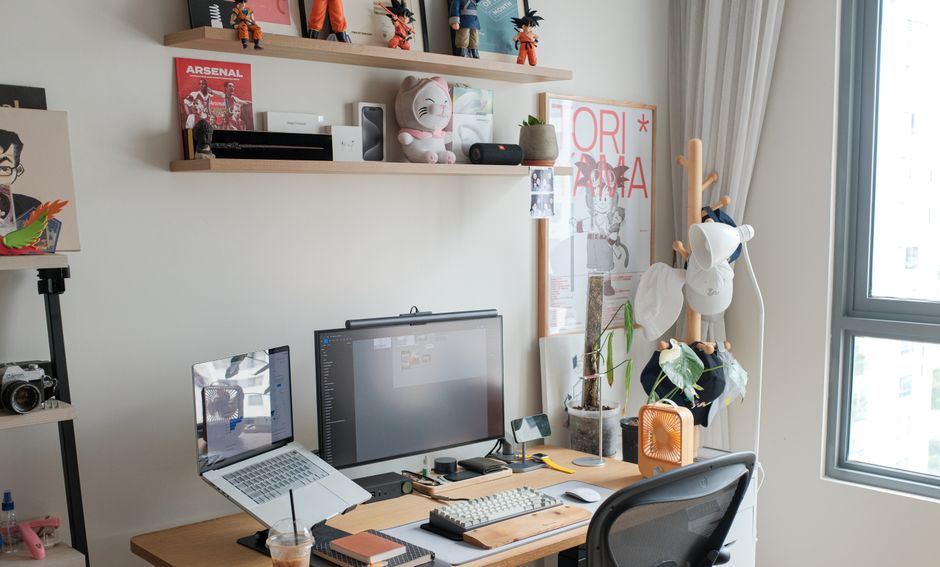
As the evening light filters through the window, a quiet moment opens up at the home desk. A sketchbook lies waiting, its pages crisp and unmarked, alongside a well-loved pen and a half-empty coffee mug. This is the perfect chance for a short creative session, yet the supplies remain zipped in a bag, untouched. The intention to draw is there, but the setup feels larger than the actual practice, creating a barrier that looms larger than it should. With only a few minutes before work calls again, the thought of digging through the bag for supplies feels daunting.
Reaching for the supply tray instead, it becomes clear that the first step is often overlooked. Leaving the pen out on the desk might seem trivial, but it serves as a visual cue to return to the art practice. Each time the desk is approached, that single tool can spark the urge to create. The friction of setup can be eased by simply preparing for the next session with a note tucked into the sketchbook, reminding oneself to keep the tray stocked. Small adjustments like these can shift the balance between intention and execution, making the next creative moment feel more inviting and less like a chore.
The Moment That Feels Simple
The evening light filters through the window, casting a warm glow over the art desk cluttered with a sketchbook, a pen, and a half-empty coffee mug. The supplies are visible, yet the thought of starting feels heavier than it should. Just a few days ago, the intention to draw was strong, but the supplies remained zipped in a bag, untouched. Now, with a brief window of time before dinner, the prospect of diving into a creative session is both inviting and daunting.
Reaching for the sketchbook, the first step is to leave the pen out on the desk. This simple act transforms the space, turning it into a subtle invitation to create. Instead of feeling overwhelmed by the need to set up, the presence of that single tool serves as a reminder of the next session. A quick note tucked into the sketchbook—"Remember to keep the tray stocked"—ensures that the next time creativity calls, the friction of setup is minimized. These small adjustments, like keeping the pen visible and the note handy, can shift the balance between intention and execution, making the art practice feel more accessible and less like a chore. The Small Mistake That Changes Everything As the evening light filters through the window, the art desk is set for a quick creative session. A cozy coffee mug sits next to the sketchbook, and the supply tray is filled with various tools, yet something feels off. The favorite pencil, the one that glides effortlessly across the page, is nowhere to be found. This oversight, seemingly minor, can derail the entire intention to draw.
Reaching for the tray, a wave of frustration washes over when it becomes clear that the pencil is missing. Instead of diving into the art practice, the session now hinges on a search. The time block before dinner, initially promising, now feels wasted as the focus shifts from creativity to rummaging through drawers. It’s easy to overlook such a crucial item, especially when the supplies are often hastily packed away after use. The act of journaling about the day's experiences and thoughts takes a backseat to this unexpected interruption.
To prevent this hiccup in future sessions, consider leaving the pencil out on the desk, a visible reminder of what’s needed. A quick note in the sketchbook—"Check the supply tray before starting"—can also serve as a practical checkpoint. This small adjustment not only streamlines the setup but also reinforces the habit of preparation, ensuring that the next creative moment flows smoothly without the disruption of searching for tools. The balance between intention and execution hinges on these tiny details, making art practice feel more inviting rather than burdensome.
What Happens Next: The Ripple Effect
As the evening settles in, the quiet block of time before work beckons for a creative session. The excitement of picking up the sketchbook and diving into a project quickly fades when the search for the right pen turns into a frustrating scavenger hunt. The supplies, hastily zipped away after the last session, now feel like a barrier rather than a gateway to creativity. The vibrant colors and fresh ideas in the mind clash with the reality of rummaging through a cluttered drawer.
With each passing minute, the initial enthusiasm wanes, replaced by a creeping annoyance. The coffee mug sits untouched, the warm drink forgotten as the focus shifts from art to the tedious task of locating a simple black pen. This distraction pulls the mind away from the flow of creativity, and soon, the project that felt inviting now seems like a chore. Instead of sketching out ideas, the decision to abandon the evening’s plans looms large.
To counter this, consider a practical adjustment: leave one reliable pen out on the art desk, a visual cue to streamline the setup. Before closing the sketchbook for the night, jot down a quick note in the margins: "Check the supply tray before starting next time." This small act not only reinforces the habit of preparation but also transforms the next creative session into a more welcoming experience. Without addressing the setup friction, the joy of simple art projects risks becoming overshadowed by the mundane task of searching for supplies.
Quick Fixes to Keep the Flow
A slightly different version of this problem appears in Creative Hobbies For Adults, where the sequence changes but the hidden drag feels familiar.
Returning to a sketchbook after a few missed days can feel daunting, especially when the supplies remain zipped in a bag. This setup friction often overshadows the excitement of starting a new project. To ease back into the rhythm, consider these practical adjustments that can help streamline your creative process.
- Keep a dedicated art supply tray on your desk, filled with essential tools like your favorite pens, a sketchbook, and a notebook. This way, everything is visible and ready to use, eliminating the need to rummage through bags.
- Before you begin a creative session, take a moment to jot down any missing items in your notebook. This quick note serves as a reminder to check your supply tray and ensures you have everything you need for your next session.
- Leave one reliable pen out on your art desk. This small act not only serves as a visual cue but also encourages you to jump right into your drawing without the hassle of searching for a tool.
By implementing these straightforward changes, you can transform your art desk into a welcoming space for creativity. The next time you sit down to sketch, the supplies will be at your fingertips, and you’ll be ready to dive into your project without delay.
Creating a Routine That Sticks
If this pattern keeps repeating, Starting New Hobbies Slowly extends the idea without leaving the niche.
Setting a specific time each week for your creative sessions can significantly reduce the friction between intention and execution. For instance, if you choose Sunday evenings, you can establish a reliable rhythm that feels less daunting. As the week progresses, you can look forward to this time, making it a part of your routine rather than a chore.
Consider leaving your supplies out overnight to minimize setup friction. When you wake up to a sketchbook open on your art desk, along with a pen resting beside it, the barrier to starting is lower. This simple act can transform your approach, allowing you to dive into your art practice without the usual delays. If your supplies stay zipped in a bag, the effort of unpacking can feel overwhelming, especially after a long day.
Before you wrap up each session, jot down one note in your notebook about what you want to explore next time. This small checkpoint not only keeps your ideas alive but also serves as a gentle nudge to return to your art desk. By creating a dedicated time and reducing setup, you cultivate a space that invites creativity, helping your art practice become a regular part of your life.
Returning to your sketchbook after a few missed days can feel daunting, especially when the setup seems more laborious than the act of creating itself. A simple way to ease back into your art practice is to leave your sketchbook open on your art desk, paired with a favorite pen. This small act reduces the mental barrier to starting, making it feel more inviting to pick up where you left off.
Before you finish your session, take a moment to write down one quick note about what you want to explore next time. This not only keeps your creative ideas flowing but also serves as a reminder to return to your desk when the next quiet moment arises. By making these minor adjustments, you can transform the way you approach your creative hobbies, ensuring that the friction between intention and execution becomes less of a hurdle and more of a gentle invitation.


