What Journaling Looks Like on an Ordinary Day
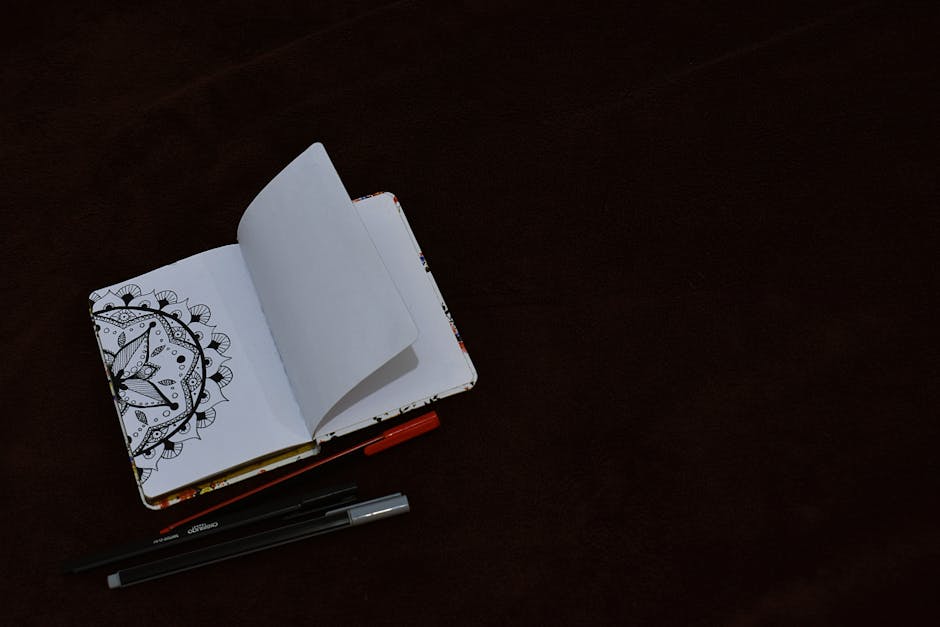
At the lamp-lit work surface, the quiet block of time after dinner is a perfect opportunity to dive into a creative session. The sketchbook lies open, its blank pages waiting for inspiration, while nearby, a pen and a coffee mug sit ready. But as I reach for the sketchbook, I realize that the next page isn’t chosen. This small decision can feel like a stumbling block, halting the flow of creativity before it even begins. Supplies are within arm's reach, yet the lack of a clear first step creates an invisible barrier that can quickly lead to frustration.
Without a plan for what to draw or craft, the moment can slip away. The art desk, cluttered with materials, becomes a source of distraction instead of inspiration. I find myself hesitating, scanning the array of colored pencils and markers, unsure of where to start. This friction often arises from not marking the next step or having a specific project in mind. When the initial action isn’t clear, the creative habit falters, making it difficult to transition from thought to execution. Identifying and addressing these small yet significant obstacles can pave the way for a smoother artistic journey.
A Quiet Evening at the Art Desk
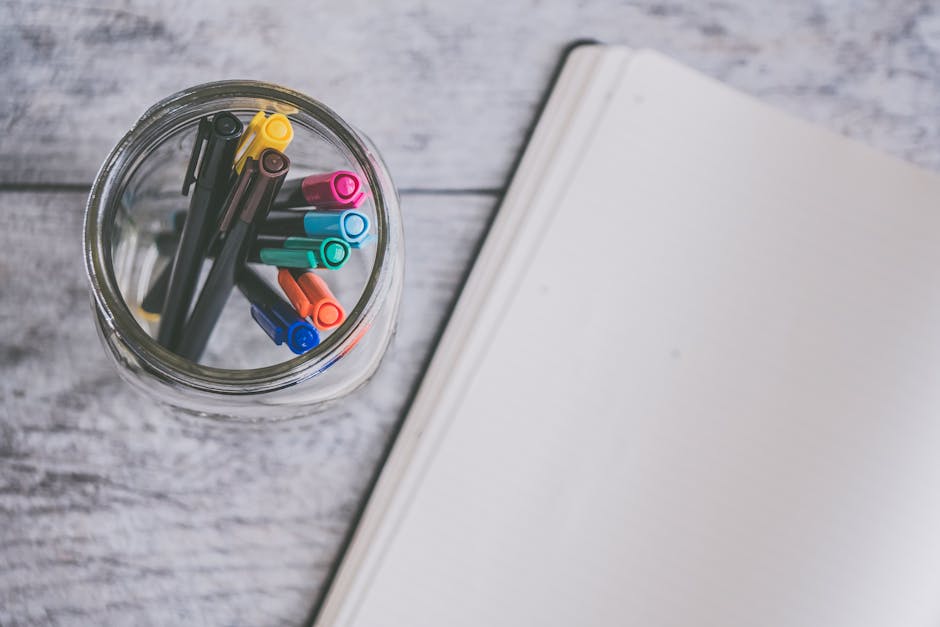
The art desk is softly illuminated by a lamp, casting a warm glow over a cluttered surface. A sketchbook lies open, its pages blank and inviting, while a pen rests nearby, waiting for inspiration. A coffee mug sits to one side, half-full, a reminder of the quiet evening ahead. The materials are all within reach, yet an invisible barrier looms. Eager to start drawing, I find myself hesitating, unsure of what the first mark should be.
This moment of uncertainty often stems from a lack of a clear next step. The sketchbook is open, but the next page isn’t chosen, creating a friction point that halts the flow of creativity. I take a deep breath and decide to mark the next step by flipping to a fresh page and jotting down a simple idea: a landscape sketch. This small action shifts my focus from indecision to a tangible goal. As I place the pen on the page, the initial hesitation begins to fade, and I can feel the excitement of starting to draw take hold. With the next step defined, I can finally dive into the creative session, ready to transform the blank page into something of my own. When Clarity Begins to Fade The lamp casts a warm glow over the cluttered surface of my art desk, illuminating the scattered supplies that lie within arm's reach. Yet, as I sit down with my sketchbook, an unsettling hesitation creeps in. The next page isn’t chosen, and the uncertainty of where to begin looms large. Supplies are nearby—colorful pens, a ruler, and a stack of blank pages—but they remain unorganized. This disarray leads to confusion, making it difficult to settle into a creative mindset.
- Check that the sketchbook is open to the next blank page.
- Gather the pens and arrange them by color for easy access.
- Decide on a simple theme, like "nature" or "abstract shapes" to guide the session.
In this moment, I realize that without a clear next step, the creative flow stalls. I take a moment to flip to a fresh page and jot down the word "landscape" at the top. This small action not only marks my intention but also transforms the chaotic setup into a focused starting point. As I place the pen on the page, the initial hesitation dissipates, allowing me to dive into the drawing with renewed enthusiasm. The act of choosing that next page serves as a vital checkpoint, reminding me that even a simple adjustment can reignite the creative spark.
Understanding the Friction of Uncertainty
As I sit at my lamp-lit desk, the familiar clutter of art supplies surrounds me. My sketchbook lies open, but the next page isn’t chosen. Instead, my gaze drifts to the coffee mug, half-full and forgotten, and my mind starts wandering to the tasks awaiting me after this creative session. This distraction creates a mental fog, making it hard to focus on the simple act of drawing.
The disarray on my desk, with pens scattered and papers piled, adds to the confusion. I can’t easily spot the next blank page in my sketchbook, which should be my immediate focus. This lack of visibility turns a straightforward task into a frustrating search, and I find myself hesitating. I realize that good intentions alone—wanting to create—aren’t enough when the setup isn’t conducive to starting.
To combat this, I take a moment to clear the desk, pushing aside the clutter and aligning the pens by color. I flip through my sketchbook, finally landing on a fresh page, and jot down a simple theme: "landscape." This small act of marking my intention not only clarifies my next step but also transforms the chaotic environment into a more welcoming space for creativity. Without this adjustment, I would have remained stuck in uncertainty, unable to move forward.
Ultimately, the friction arises from both the physical clutter and my wandering thoughts. By ensuring that the next page is visible and my supplies are organized, I create a smoother pathway to dive into my art practice. This simple setup change serves as a reminder that even minor adjustments can significantly impact the flow of creativity.
This same friction shows up again in Starting New Hobbies Slowly, especially when the day tightens unexpectedly.
Choosing the Next Page: A Simple Adjustment
As I sit at my lamp-lit work surface, the soft glow illuminating my sketchbook, I find myself flipping through its pages. Each turn reveals a mix of half-finished sketches and doodles, but I hesitate. The next page isn’t chosen, and that uncertainty hangs in the air, making it harder to dive into my creative session. I notice the nearby coffee mug, a familiar sight that usually sparks inspiration, but right now, it feels like just another object in the clutter of my art desk.
Instead of lingering in this indecision, I decide to make a small but crucial adjustment. I place my sketchbook flat on the desk, open to the next blank page, and grab a pen. This simple act of marking my intention—by writing "landscape" at the top—transforms the space. Now, the page is not just a blank canvas; it’s a clear focal point that draws my attention, reducing the hesitation that often accompanies starting a new project. The visible cue of the open page serves as a decision rule: when I sit down, I immediately know where to begin.
With the page set and my supplies within reach, I feel the friction dissipate. The act of choosing the next page becomes a pivotal moment, allowing me to shift from a state of uncertainty to one of focused creativity. This small sequence change—placing the sketchbook open and writing down a simple theme—creates a smoother transition into my art practice, encouraging me to pick up the pen and start drawing without overthinking the initial step.
What Gets Easier in the Next Time Block
If this pattern keeps repeating, Creative Hobbies For Adults extends the idea without leaving the niche.
With my sketchbook open to a fresh page, I notice how the familiar sight of my art desk, illuminated by the soft glow of my lamp, invites me to engage more readily. The coffee mug sits nearby, still warm, a reminder that I’m in a space meant for creativity. This setup, with supplies visible but not yet in use, creates a subtle tension: I can see the markers and pencils, but they aren’t ready for action. That’s where the friction lies.
Instead of diving in, I take a moment to select my next tool—a fine-tip pen—and place it directly next to the sketchbook. This small adjustment makes a significant difference. Now, when I sit down for my next creative session, I won’t waste time searching for what I need. The act of placing the pen there serves as a visual cue, reminding me that I’ve already made a choice. It’s a simple but effective way to reduce hesitation, allowing me to transition smoothly from the end of one task to the beginning of another.
As I prepare to draw, I realize that this minor setup change not only clarifies my next step but also cultivates a habit of readiness. The visible presence of the pen next to my sketchbook signals that I’m not just thinking about creating; I’m actively preparing to do so. This small routine—marking the next step and ensuring my supplies are ready—turns what could be a moment of indecision into a clear pathway for creativity.
As I sit at my lamp-lit work surface, I notice how a simple act like opening my sketchbook to the next blank page can set the tone for my creative session. Without this small but crucial step, I risk falling into indecision, staring at a closed book while my supplies sit nearby, uninviting. By making it a habit to always leave my sketchbook open to the next page, I eliminate that friction, transforming the start of my drawing into an effortless flow.
Next time I finish a session, I’ll take a moment to not only mark my progress but also to ensure my pen is placed right beside the sketchbook. This way, when I return, everything is ready for me to dive back into my art practice without hesitation. That simple adjustment—preparing the space for creativity—can make all the difference in keeping my projects alive and engaging.