The Step That Gets Missed First in Simple Art Projects

As the clock ticks toward the end of the day, the quiet corner of my art desk beckons. A half-finished sketchbook lies open, its pages waiting for the next stroke of creativity. The coffee mug sits nearby, still warm from earlier, and the supplies remain zipped in a bag, untouched since my last session. This moment, just before dinner, feels like a perfect opportunity to dive back into my art practice. Yet, I hesitate, knowing that the next step in my project was never marked, leaving me with a nagging uncertainty about where to begin.
Each time I sit down, I face the same friction: the transition from daily life to a creative session is often blocked by the lack of clear direction. I glance at my sketchbook, realizing that without a note for the next session, I’m left to sift through scattered ideas and half-formed thoughts. The simple act of opening the sketchbook should feel inviting, but instead, it becomes a moment of indecision. How can a small adjustment help bridge this gap and make starting feel less daunting?
The First Step That Gets Skipped
The art desk is a small haven, cluttered yet inviting, with a sketchbook open to a fresh page, ready to capture the day’s inspirations. Nearby, a notebook lies open, its pages filled with half-formed ideas, and a pen rests beside it, waiting to translate thoughts into sketches. As I sit down with a warm cup of coffee, I can feel the familiar tug of creativity, but there’s a catch: the next step in my project was never marked. This uncertainty looms over me like a cloud, making it hard to dive in.
Without a clear note for the next session, I find myself hesitating, stuck in the transition from the mundane to the creative. The supplies, neatly zipped in a bag, are within reach, but I skip the critical action of reviewing my last entry. Instead, I should take a moment to jot down a quick note in the notebook about where I left off. This small act not only clarifies my focus for the next session but also makes the act of opening the sketchbook feel less daunting. The simple checklist of actions—grab the pen, write a note, and then open the sketchbook—creates a seamless flow, transforming my art desk from a place of uncertainty into a launchpad for creativity. Where the Routine Breaks Down As I sit at my art desk corner, the sketchbook lies closed, a barrier between me and my creative flow. The supplies are zipped in a bag, neatly organized but not ready for immediate use. This lack of preparation causes hesitation, making it difficult to shift from the everyday routine to a creative session. The absence of a clear note marking my next step adds to the mental block; without that reference, I feel lost.
- Open the sketchbook and review the last drawing.
- Jot down a quick note in the notebook about what to tackle next.
- Set the supplies out on the desk for easy access.
When I take just a moment to write that note, I create a tangible checkpoint for my next session. This small action transforms the closed sketchbook from an intimidating object into an open invitation, allowing me to dive back into my art practice with renewed confidence. The next time I sit down, I’ll know exactly where to begin, eliminating the friction that once stalled my creativity.
Why This Friction Repeats
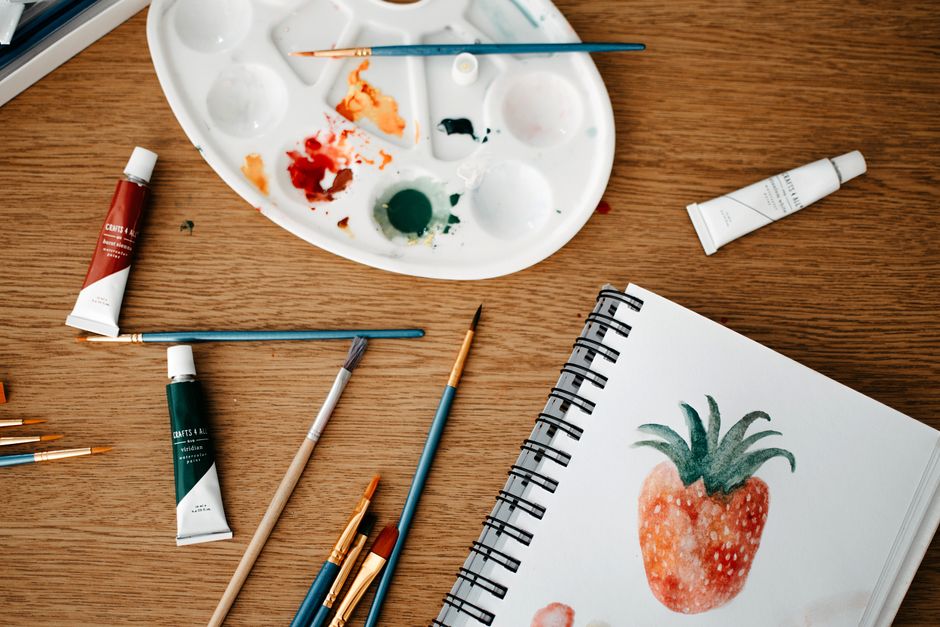
At my art desk corner, a jumble of materials sprawls across the surface, creating a visual overwhelm that stifles creativity. The paint tubes, brushes, and sketchbooks are all within reach, yet their chaotic arrangement feels like a barrier rather than an invitation. Each time I sit down, the clutter demands my attention, pulling me away from the creative session I intended to start.
My supplies remain zipped in a bag, neatly organized but inaccessible. This physical barrier adds another layer of resistance, making it harder to shift gears from the daily grind to a focused art practice. When I finally unzip the bag, I often find myself hesitating, unsure of where to begin. Without a clear marker for progress, like a note indicating what I wanted to work on next, I feel lost. The absence of that simple reminder turns my art desk into a confusing landscape instead of a welcoming space.
To break this cycle, I can take a moment to set a clear checkpoint. After each session, I’ll jot down a quick note in my notebook about what I want to tackle next. This small action transforms my workspace from a daunting collection of materials into a structured environment ready for creativity. When I return, I can easily locate my sketchbook, open it to the last page, and dive right in, eliminating the hesitation that often stalls my creative flow. However, this requires a tradeoff: I must commit to tidying my desk after each session, ensuring that the next creative moment is as frictionless as possible.
This same friction shows up again in Starting New Hobbies Slowly, especially when the day tightens unexpectedly.
A Better Order for the Same Five Minutes
Each evening, before the day winds down, I take a moment to prepare my art desk corner for the next creative session. I gather my supplies—markers, colored pencils, and sketchbooks—and place them neatly in a small basket. This simple act of organization not only clears my workspace but also sets a welcoming tone for when I return. By ensuring everything is ready to use, I eliminate the friction of having to dig through a zipped bag or rummage through drawers.
One small yet impactful change is leaving my sketchbook open to the last page I worked on. This invites me to engage immediately when I sit down again. Instead of flipping through pages, searching for where I left off, I can dive right into my ideas. To further guide my next session, I write a quick note in my notebook about what I want to tackle next. It might say, "Try drawing the sunset from the window" or "Experiment with shading techniques." This note serves as a clear direction, making it easier to jump back into my art practice without hesitation.
However, this setup requires a tradeoff: I need to commit to tidying my desk after each session. If I leave materials scattered, the next time I sit down, I might feel overwhelmed instead of inspired. By keeping this order, I transform my art desk from a chaotic space into a structured environment that invites creativity, ensuring that even a five-minute session can be productive.
What Becomes Easier After This Change
If this pattern keeps repeating, Creative Hobbies For Adults extends the idea without leaving the niche.
With my art supplies zipped neatly in a bag, starting a session feels less daunting. When I sit down at my art desk corner, the only thing I need to do is pull out my sketchbook and pen. I can immediately open the sketchbook to the last page I worked on, which reduces any mental resistance. Instead of flipping through pages, I’m greeted by my previous sketches, instantly reigniting my creative flow.
To keep the momentum going, I jot down a quick note in my notebook about what I want to explore next. This could be something simple like, "Draw the coffee mug on my desk" or "Try a new shading technique." Having this clear next step written down transforms my next creative session into a seamless continuation rather than a restart. I find that when I take the time to write this note, I’m much more likely to dive right in during my next quiet block before work.
However, there’s a tradeoff: I need to ensure my desk remains organized after each session. If I leave my materials scattered, the next time I sit down, I might feel overwhelmed instead of inspired. By committing to this small adjustment, I create a structured environment that invites creativity, allowing even a brief five-minute session to be productive and enjoyable.
Returning to my art desk after a break can sometimes feel daunting, especially if I haven’t marked my next step. I’ve learned that keeping my sketchbook open to the last page I used is a game changer. This simple act serves as a visual cue, reminding me of where I left off and what I wanted to explore next. Without this, I often find myself staring at a blank page, unsure of how to reignite my creative spark.
Before wrapping up a session, I take a moment to write down a quick note in my notebook about what I want to tackle next time. It could be as straightforward as "Sketch the view from my window" or "Experiment with color blending." This small note not only provides direction but also reduces the friction of starting again. When I sit down for my next creative session, I can immediately dive into my project without hesitation, making the most of those quiet moments at my desk.