The Default Art Project Routine vs. a More Workable Alternative
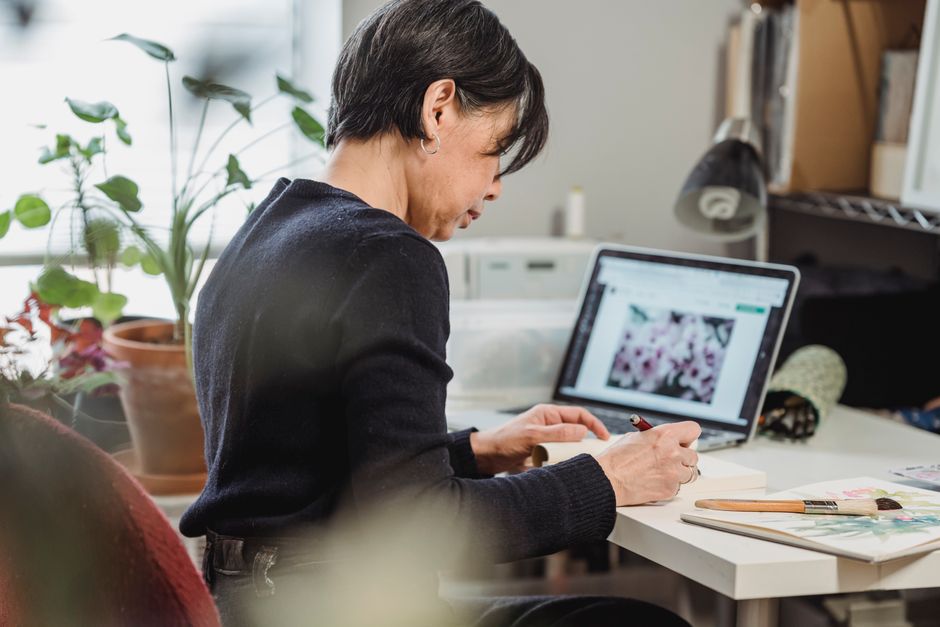
As the evening light filters through the window, I sit at my home desk, a coffee mug steaming beside me and my sketchbook open to a blank page. After a few missed days of creative sessions, I’m eager to dive back into my art practice. The tools are all within reach: a pen, some colored pencils, and a few scraps of paper. Yet, as I prepare to start, I realize I haven’t marked where I left off. The next page in my sketchbook is still unchosen, and that small oversight creates a friction that slows my momentum.
Instead of simply flipping to a fresh page and beginning, I find myself hesitating, unsure of what to create next. This moment of indecision highlights a common pitfall in simple art projects—neglecting to establish a clear starting point. Without a designated next step, the excitement of a new craft project can easily dissipate into uncertainty. A simple adjustment, like marking my last completed piece or jotting down a few ideas on the edge of the page, could transform this moment from a pause into a smooth transition back into my creative habits.
The First Step That Gets Skipped
Returning to my art desk after a few missed evenings, I’m greeted by a chaotic spread of materials: colored pencils rolled under the coffee mug, a half-opened sketchbook with a blank page staring back, and scraps of paper scattered like fallen leaves. This clutter seems reasonable at first; I tell myself that sorting through it all is part of the creative process. However, this initial step often leads to a frustrating delay. Instead of diving into a project, I find myself sifting through materials, trying to remember what I intended to create.
As I sit down, I realize that the most crucial part of starting—choosing the next page of my sketchbook—has been overlooked. The blank page doesn’t just represent a fresh start; it symbolizes a missed opportunity to build momentum. Without a clear direction, I waste precious minutes that could be spent sketching or experimenting. To counter this, I could take a moment to mark the last completed piece or jot down a few quick ideas on the edge of the current page. This simple act would eliminate the uncertainty and allow me to jump straight into the flow of my creative session.
In this quiet block of time before work, the goal should be to minimize friction. Instead of letting the clutter dictate my pace, I can set a ready-to-start setup. By placing my sketchbook open to the last marked page and aligning my materials neatly, I create an inviting environment that encourages action rather than hesitation. This small adjustment transforms the beginning of my creative practice from a disorganized search into a focused, engaging experience.
Where the Default Method Fails
After a few missed evenings, the excitement of diving back into my art practice often fizzles out. Sitting at my home desk, I find myself staring at the blank sketchbook page, the edge of which is an unmarked territory. My materials—colored pencils, pens, and a half-finished coffee mug—are scattered but not organized. Instead of jumping right into a creative session, I waste precious time deciding what to create and searching for the right tools. This initial hesitation becomes a barrier, turning what should be an invigorating experience into a frustrating one.
When I miss days of creative practice, the momentum I once had slips away, leaving me feeling disconnected from my art. The next step in my process is never clearly marked, which only adds to my uncertainty. I might flip through the pages of my sketchbook, looking for a previous idea or a spark of inspiration, but often I find myself skipping over the last completed piece. This lack of clarity leads to a cycle of indecision, where I end up spending more time pondering than creating. To counteract this, I can take a moment to open my sketchbook to the last marked page and place my materials in an orderly fashion. This simple act signals readiness and transforms my creative session from a chaotic search into a focused endeavor, allowing me to engage with my art immediately.
A More Workable Alternative
A slightly different version of this problem appears in Creative Hobbies For Adults, where the sequence changes but the hidden drag feels familiar.
Returning to my art practice after a few missed evenings can feel daunting, especially when my desk is cluttered with materials. I often find myself staring at my sketchbook, unsure of where to dive back in. The last page I worked on is tucked away, and the next page remains unmarked, leaving me in a state of hesitation. This disorganization can turn a simple creative session into a frustrating scavenger hunt for inspiration.
To streamline my approach, I’ve set up a designated 'ready-to-start' area on my desk. Here, I keep my sketchbook, a reliable pen, and a few favorite tools like colored pencils and washi tape within arm's reach. This small adjustment means I can grab everything I need without rummaging through drawers or searching for materials. By placing my sketchbook open to the last marked page, I eliminate the uncertainty of where to begin. This setup signals that I am ready to create, transforming my desk from a cluttered space into an inviting canvas.
Marking the next page in my sketchbook is a crucial step I often overlooked. Now, I take a moment to draw a simple symbol or write a few words that capture the essence of my next idea. This practice not only provides a clear starting point but also sparks my creativity, making it easier to transition into my art session. With this straightforward setup, I can step into my creative space with confidence, ready to engage with my projects without the friction of indecision.
The Tradeoff of Convenience
If this pattern keeps repeating, Starting New Hobbies Slowly extends the idea without leaving the niche.
Returning to my art desk after a few missed evenings feels daunting. The sketchbook lies open, but the last page I worked on is a reminder of the creative momentum I lost. I often find myself staring at the blank edge of the next page, unsure of where to begin. This moment of indecision can derail my entire creative session, making it easy to skip out on drawing altogether.
While I could dive right into a spontaneous doodle, I’ve learned that taking a moment to organize my space pays off. If I take the time to mark the next page with a simple prompt or sketch, I create a clear entry point for my ideas. It may feel like a small chore, but this initial investment in setup saves me from the mental fatigue of figuring out where to start each time. The tradeoff here is significant: while I sacrifice a bit of spontaneity in my approach, I gain a smoother transition into my creative practice.
Some might argue that this method lacks the thrill of unplanned creation, but the convenience of having my materials ready fosters more frequent sessions. When everything is in its place, I can grab my pen and coffee mug, sit down, and start drawing without hesitation. The ease of access transforms my desk into a welcoming space rather than a cluttered one. In this way, the alternative method, though requiring some upfront organization, leads to a more productive and enjoyable creative habit.
When to Implement the Alternative Setup
Evenings can be a tricky time for creativity, especially after a few missed days. The clutter of unfinished projects and scattered ideas often makes it hard to dive back in. On my art desk, the sketchbook lies open, but the next page remains unchosen, a silent barrier to my creative flow. Choosing that next page is crucial; it’s a simple act that signals readiness. Without it, I’m left staring at a blank space, feeling the weight of indecision.
Restarting my creative practice is best suited for those quiet moments, like just before work or after dinner when my mind isn’t overloaded. In these instances, I can grab my pen and coffee mug, sit down, and open my sketchbook without hesitation. The act of setting up my materials beforehand—placing my favorite colored pencils within reach and having a fresh page waiting—creates a welcoming atmosphere. This setup allows me to jump straight into a craft project without the friction of figuring out where to start. However, if I neglect to prepare the space, I often find myself wasting precious time, flipping through pages, or second-guessing my next move.
Ultimately, this alternative setup is ideal for moments when I crave creativity but feel the pressure of time. It transforms my desk from a cluttered mess into an inviting workspace, ready for a short creative session. Yet, I must remain aware of the tradeoff: while I gain ease of access, I may sacrifice some spontaneity. The key is finding that balance, ensuring my creative habits flourish even in the busiest of times.
After a few missed evenings, the challenge of restarting can feel daunting. The edge of my sketchbook beckons, yet I hesitate, knowing the next page isn't marked. This simple act of preparation—choosing a page ahead of time—can make all the difference. When I sit down at my art desk with my notebook and pen ready, I find that the initial friction of indecision fades away, allowing me to dive right into my creative session.
As I sip my coffee, I remind myself to keep my materials organized, ensuring my colored pencils are within easy reach. This small adjustment transforms my workspace into a hub of creativity, ready for action. The next time I sit down to create, I’ll make it a point to check that my sketchbook is open to a fresh page, ready for ideas to flow. This simple preparation can turn a hesitant restart into a seamless entry into my art practice.


