The Creative Session That Often Gets Cut Short
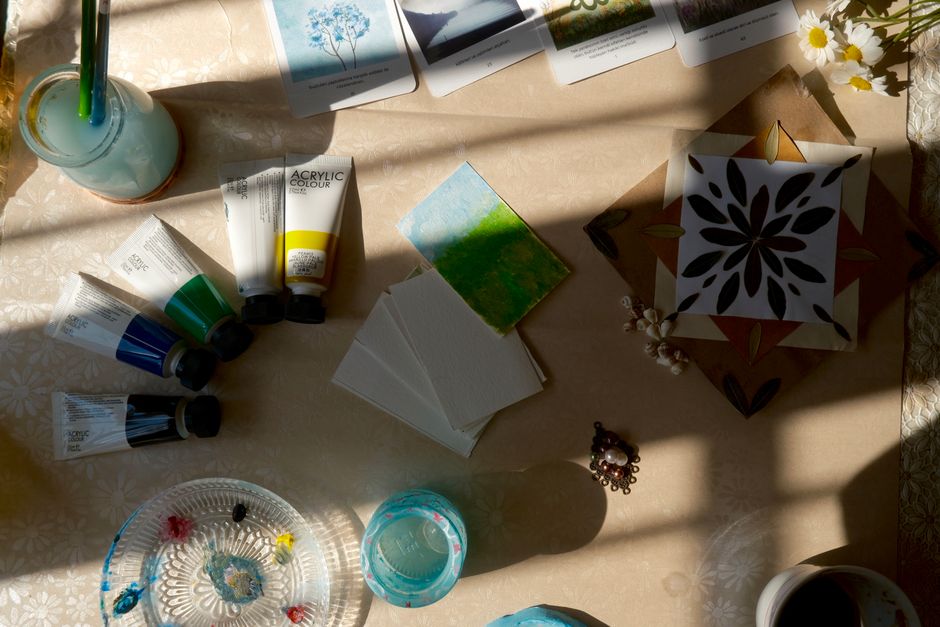
As the sun dips below the horizon, the quiet of the home office becomes a welcome backdrop for a short creative session. A well-worn sketchbook lies open on the art desk, its pages filled with half-finished drawings and notes. The coffee mug sits nearby, still warm, as the artist reaches for a pen, ready to dive into a new idea. But even in this peaceful moment, the familiar tug of daily distractions lingers, threatening to pull focus from the simple act of creating.
Before the session can truly begin, a small but crucial step often gets overlooked: selecting the next page to work on. The artist glances at the tray of supplies, considering the colors and materials laid out, yet hesitates. This moment of indecision can easily lead to the session ending without a clear restart cue, leaving the sketchbook untouched and the creative energy dissipating. The act of photographing the current state of the work could serve as a gentle reminder to return, but without that intentional check, the flow may slip away, lost to the busyness of the evening ahead.
The First Step That Gets Skipped
The art desk is cluttered with an array of supplies: colored pencils, a stack of blank pages, and a few unfinished sketches waiting for attention. As the clock ticks toward the end of a long day, the artist sits down with a sigh, coffee mug in hand, ready to start a short creative session. However, the moment of settling in quickly reveals a common pitfall: the materials are laid out but not organized for immediate use.
Instead of diving straight into a new craft project, the artist finds themselves staring at the jumble of tools, feeling overwhelmed by the mere thought of choosing a page to work on. This initial friction can make the act of starting feel daunting. The artist glances at the sketchbook, noting that the next page isn't chosen, and the hesitation grows. It seems reasonable to take a moment to gather thoughts, but that pause can easily stretch into a barrier, halting momentum before it even begins.
To counter this, a simple yet effective move is to photograph the current state of the workspace. This snapshot serves as a visual cue, a reminder of where to pick up next time. Yet, without that small act of documentation, the creative energy may dissipate, leaving the artist to wonder why the session ended without a clear restart cue. The setup that seemed manageable at first now feels like an obstacle, illustrating how easily the first step can slip away amidst the distractions of daily life.
When the Default Method Fails
This same friction shows up again in Creative Hobbies For Adults, especially when the day tightens unexpectedly.
As the clock ticks towards the end of the day, the art desk sits cluttered with a half-finished sketchbook, a coffee mug still warm from the last sip, and a neatly arranged supply tray filled with colored pencils and markers. The quiet moment before the evening rush is the perfect time for a short creative session. But just as the pen hovers over the untouched next page, a notification buzzes from the phone resting nearby, pulling attention away from the art practice. The moment is lost, and instead of diving into a journaling entry or a quick drawing, the artist finds themselves scrolling through messages, leaving the sketchbook waiting.
This interruption highlights a weak point in the routine: the next page remains blank, a silent testament to a mental block that has formed. Without a clear restart cue, the artist struggles to return to the creative flow. A simple yet effective move is to place the phone out of reach, perhaps in a drawer or another room, ensuring that the focus stays on the art desk. Additionally, taking a quick photo of the current setup can serve as a visual reminder of where to pick up next time. This small action creates a bridge back to creativity, transforming the moment of distraction into a checkpoint for future sessions. Yet, without these adjustments, the session can slip away, leaving the artist wondering how the evening turned into another missed opportunity for expression. A Better Order for the Same Five Minutes At the home desk, the sketchbook lies open, but the next page isn’t chosen. This moment often signals a creative block, where the artist hesitates to dive into a project. Instead of letting the session slip away, a small adjustment can make all the difference. Having a single project ready to go—like a simple watercolor landscape—eliminates decision fatigue. It’s a straightforward task that requires minimal setup, allowing for immediate engagement.
- Set a timer for five minutes to create a focused burst of creativity.
- Place the phone in a drawer to prevent distractions from notifications.
- Before starting, take a quick photo of the current workspace to capture the setup, providing a visual cue for the next session.
By organizing the workspace and timing the session, the artist can transform a potential block into a productive moment. The timer not only encourages a quick start but also establishes a clear stopping point, making it easier to return later. This simple change in order—readying the project, timing the session, and minimizing distractions—can significantly enhance the flow of creativity during those quiet blocks before work or after dinner.
The Tradeoff of Quick Wins
A slightly different version of this problem appears in Starting New Hobbies Slowly, where the sequence changes but the hidden drag feels familiar.
On a busy evening, as I sit at my art desk with a steaming mug of coffee, the temptation to dive into a lengthy painting session often clashes with the reality of my time constraints. Quick wins, like sketching a simple doodle in my notebook, can feel less fulfilling than a more immersive project. Yet, these short bursts maintain momentum, allowing me to engage with my creative practice without the pressure of a time-consuming commitment. The act of picking up a pen and letting it flow across the page can be just enough to keep my artistic spirit alive, even if it doesn't result in a masterpiece.
However, there’s a catch. Longer sessions, while requiring more energy and focus, often yield deeper insights and richer creations. When I allocate a full hour to my sketchbook, I can explore ideas more thoroughly, layering colors and textures that a quick doodle simply won't capture. Yet, when I find myself at the end of a short session, I often realize I’ve skipped the crucial step of choosing the next page to work on for my next creative session. This oversight can leave me feeling unprepared and less inspired to return. The tradeoff here is clear: while quick sessions keep the creative flow going, they can also lead to a lack of continuity in my projects. Still, the energy of those small wins is often worth it, especially on days when a longer session feels unattainable.
Finding the Right Fit for Your Day
After a long day at work, the quiet moment before dinner often becomes my golden hour for creativity. I sit at my art desk, surrounded by a supply tray filled with colored pens, a sketchbook, and a half-finished craft project. The energy I have left dictates how I approach my creative session. On days when I feel a bit drained, I opt for a quick journaling entry rather than a detailed drawing. This allows me to maintain the habit without overwhelming myself.
Choosing the right project for the available time is essential. If I have just fifteen minutes, I might pull out my sketchbook and start doodling on the next blank page, but I need to remember to set a clear stopping point. Otherwise, I risk ending the session without a plan for what to tackle next. I often find that if I take a moment to photograph the current state of my work, it not only preserves my progress but also serves as a visual cue to jump back in later. This small act makes the transition smoother, ensuring that I don’t just leave my supplies scattered and unfinished.
On busier days, I assess my energy levels and the time I have before dinner. If it’s a short window, I stick to simpler tasks like organizing my supplies or sketching small ideas. This way, I can still engage with my art practice without the pressure of a lengthy commitment. The tradeoff is that while these quick sessions may not yield a finished piece, they keep my creative momentum alive. When I return to my art desk later, I’m often surprised at how those small moments add up, even if they don’t feel significant in the moment.
As I wrap up my creative session, I often glance at my supply tray, noting what remains unfinished. The next page in my sketchbook isn’t chosen yet, which can be a missed opportunity to set a clear direction for my next session. Without that decision, I risk losing the thread of my ideas. Instead, I can take a moment to prepare for tomorrow by selecting a page and jotting down a few prompts or themes to explore.
This simple act not only gives me a head start but also creates a visual cue for when I return. The quiet moments before work or after dinner can easily slip away, but with a ready-to-start setup, I can dive right back into my art practice without hesitation. Keeping that flow going is essential, especially on crowded days when the temptation to skip my creative habits is strong.


