The Creative Session Slip: Overcoming Setup Friction in Simple Art Projects
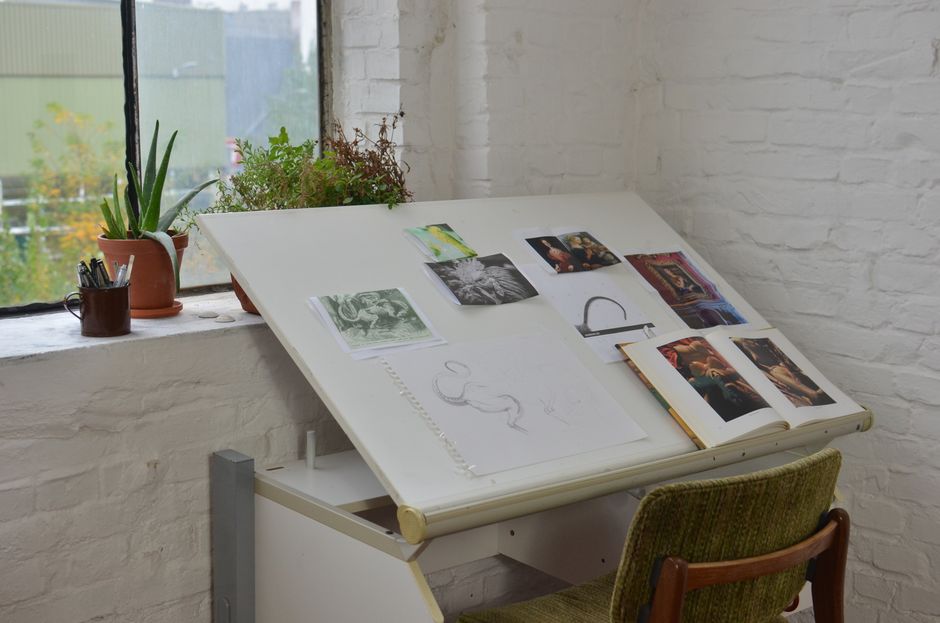
At the edge of my sketchbook, the blank page stares back, waiting for inspiration to strike. It’s a quiet block of time before work, and my art desk is cluttered with familiar tools: a well-loved notebook, a trusty pen, and a half-empty coffee mug. I can feel the urge to dive into a creative session, yet the thought of setting everything up feels heavier than the actual act of drawing. The next page isn’t chosen, and I hesitate, caught in the friction of preparation instead of creation.
Each moment spent deliberating over where to start or what materials to gather pulls me further from the joy of making. I know I should just grab the pen and begin, but the mental checklist of tasks looms large. What if I forget to photograph the current state of my work? Or what if I don’t jot down a note for the next session? These small details, while essential, can become stumbling blocks that derail the flow of creativity. Instead of jumping in, I find myself stalling, letting setup drag on and overshadow the very act I long to embrace.
The First Step That Gets Skipped
The art desk is a jumble of scattered materials: colored pencils, brushes, and an open sketchbook with a blank page staring back at me. In this moment, I feel the weight of the day pressing down, the clock ticking toward an evening deadline. I want to create, but the thought of organizing everything before I start feels overwhelming. I glance at the sketchbook, its pages inviting yet intimidating, and hesitate. This is where the setup often becomes the first casualty of my creative practice.
Initially, it seems reasonable to take a moment to arrange my tools. But as I sift through the chaos, I realize that the setup is taking longer than the actual drawing would. I pick up a pencil, then put it down, wondering if I should photograph the current state of my work first. The decision to document feels like an added layer of pressure, pulling me away from the act of creation. The next page isn’t chosen, and I stall, caught in a loop of preparation that feels bigger than the project itself.
To break this cycle, I decide to simplify the process. Instead of sorting through everything, I grab my notebook and jot down one quick note for the next session: "Remember to photograph the progress before diving in." This small action clears my mind, allowing me to focus on the creative session ahead. I take a deep breath, pick up the pen, and finally begin to draw, realizing that sometimes the first step is simply to commit to the act, even amidst the clutter.
Where the Default Method Fails
As I sit at my art desk, the familiar clutter of pencils, a half-finished sketchbook, and a coffee mug surround me. The page edge of my sketchbook is blank, yet I feel a sense of paralysis. The absence of a clear starting point looms large, and I find myself overthinking the setup. Instead of diving into the creative session, I scroll through notifications on my phone, each ping pulling me further from my intention to create. The pressure builds as I question whether I should photograph my current progress or simply start drawing.
To combat this friction, I decide to simplify the process. I place my phone face down to eliminate distractions and quickly jot down a note in my notebook: "Choose the next page before starting." This small action helps me commit to the moment. I flip to the next blank page in the sketchbook, ready to begin, but I hesitate again, feeling the weight of the setup. Instead of letting this overwhelm me, I remind myself that the act of creation is more important than the perfect conditions. I take a deep breath, pick up my pencil, and start sketching, realizing that sometimes the default method of preparation can become a barrier rather than a bridge to creativity.
This same friction shows up again in Starting New Hobbies Slowly, especially when the day tightens unexpectedly.
A Better Order for the Same Five Minutes
Setting up for a creative session often feels like a chore, especially when time is tight. Instead of diving straight into the familiar routine of gathering all my supplies, I focus on streamlining the process. I glance at my cluttered art desk, where my sketchbook lies open, the coffee mug still warm beside it. The first step is to choose a specific page in the sketchbook before I even think about picking up a pen. This small adjustment eliminates the hesitation that usually comes when I sit down, unsure of where to begin.
With my coffee mug in one hand, I flip to the next blank page and set a timer for five minutes. This creates a focused window for creativity, rather than letting setup drag on. I only prepare the essentials: my favorite pen and the sketchbook. By reducing the number of materials, I cut down on decision fatigue. The difference in this approach is stark; instead of feeling overwhelmed by the setup, I’m already engaged in the act of drawing before the timer even starts. This method shifts the order of operations, prioritizing action over preparation, and helps me break through any creative block.
As I start to sketch, I remind myself to jot down a quick note in my notebook: "Next page chosen before starting." This simple note serves as a reminder for future sessions, reinforcing the idea that a little pre-planning can make all the difference. By shifting my focus from gathering materials to choosing a page and setting a timer, I find that I can easily reclaim those precious minutes that would otherwise be lost to setup friction.
What to Check Before the Phone Takes Over
If this pattern keeps repeating, Creative Hobbies For Adults extends the idea without leaving the niche.
At my art desk, the sketchbook lies open, its pages slightly crinkled from previous sessions. I glance at the time—just a quiet block before work—and I know I have to make the most of it. Instead of scrolling through my phone for inspiration, I remind myself to take a moment to check the next page in my sketchbook. This simple action sets the tone for my creative session.
Choosing the next page before I start drawing reduces the friction that often leads to procrastination. I grab my favorite pen and, with a quick flick, I’m already sketching. This approach means I spend less time setting up and more time creating, allowing me to dive into the flow of my art practice. However, this efficiency comes with a tradeoff: I might not spend as much time preparing my ideas or gathering reference materials. The spontaneity of starting right away can sometimes lead to less thorough preparation.
Balancing this spontaneity with a bit of structure is key. I make it a habit to jot down a note in my notebook: "Next page chosen before starting." This small reminder not only helps me maintain focus but also reinforces the importance of a quick check-in before diving into my creative work. While it’s tempting to skip this step in favor of immediate action, I’ve learned that a brief pause to set intentions can enhance the depth of my session. Ultimately, the tradeoff is worth it; less setup means I can reclaim those precious minutes, even if it means sacrificing a bit of preparation. By prioritizing action, I find myself more engaged and productive, ready to tackle the next sketch. When That Alternative Fits Better Late evenings at my art desk often present a unique friction point. The clutter of paint tubes, brushes, and my ever-growing sketchbook can feel overwhelming, especially when I only have a short window of time before bed. In these moments, the default method of starting a new project—gathering materials, setting up the workspace, and flipping through pages—can become a barrier rather than a gateway to creativity.
Instead, I’ve found that choosing a specific page in advance can streamline my process. Before I wrap up my last creative session, I take a moment to photograph the current state of my sketchbook. This simple act not only captures my progress but also serves as a visual cue for the next time I sit down to create. By knowing exactly where to jump back in, I can dive straight into drawing without the mental load of deciding where to start.
As I sip my coffee, I glance at the blank page waiting for my next idea. I’ve learned to keep a small note in my notebook that says, "Next page chosen before starting." This reminder helps me bypass the usual setup drag, allowing me to focus on the act of creating rather than the setup itself. On days when time is tight, this small adjustment makes all the difference, transforming what could be a tedious setup into a seamless transition into my creative session.
As I finish my creative session, I take a moment to glance at my art desk, cluttered yet inviting. The sketchbook lies open, and I can see the edge of the next blank page peeking out, a reminder of what’s to come. I realize that the decision of which page to use often slips my mind in the excitement of starting anew. To counter this, I make it a habit to place a sticky note on the current page with a simple prompt: "Next page ready." This small action ensures I don’t waste precious time deciding where to begin next time.
With my coffee mug still warm beside me, I snap a quick photo of my sketchbook’s current state. This visual cue not only captures my progress but also eliminates any setup friction for the next creative session. When I return, I’ll have a clear starting point, allowing me to dive right into my art practice without hesitation. The setup feels less daunting, and I can focus on what truly matters: the joy of creating.


