Streamlining Your Sketchbook Sessions: A Better Approach for Creative Blocks
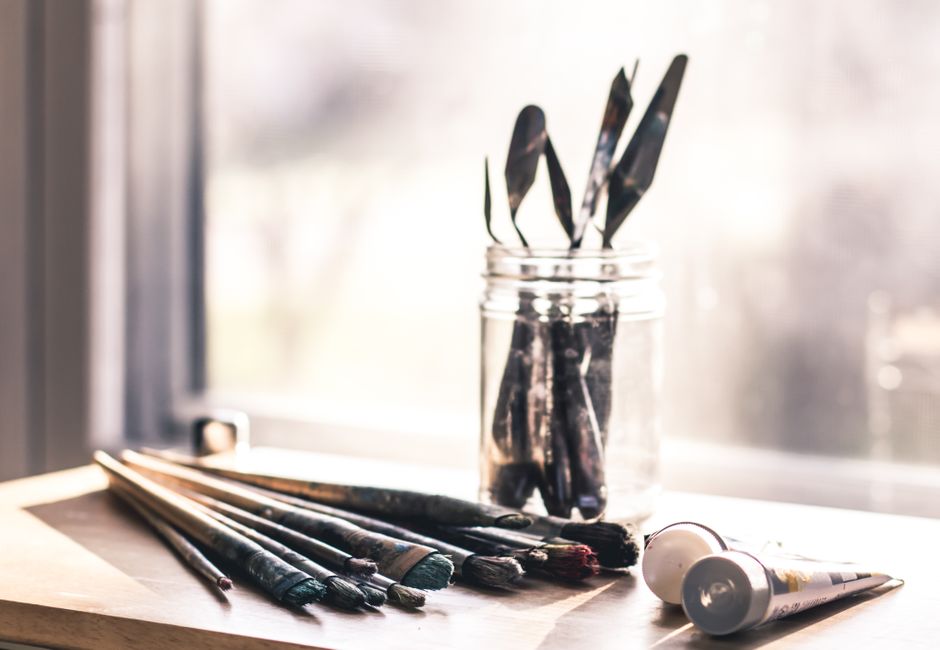
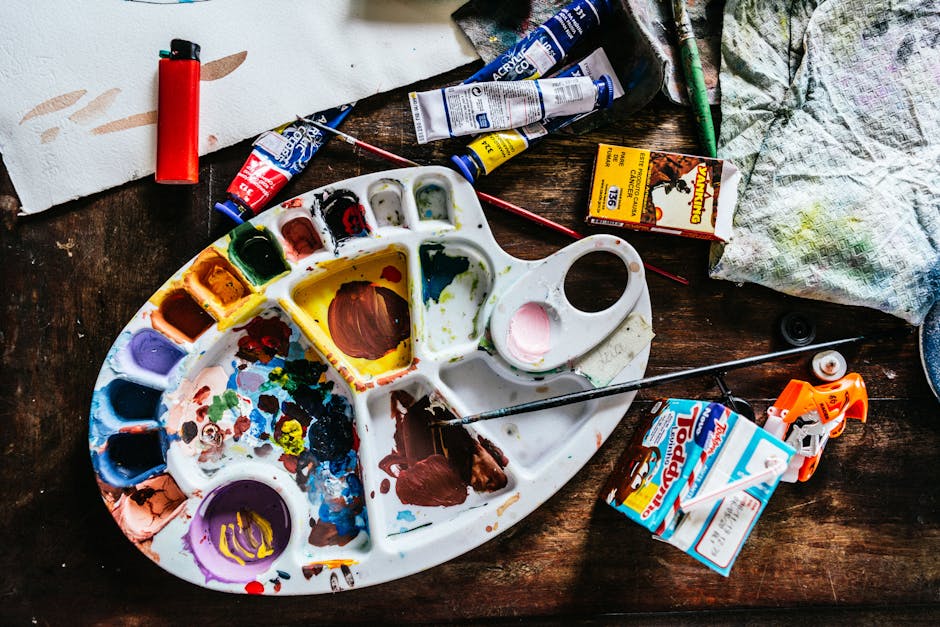
As the sun begins to set, casting a warm glow over the cluttered art desk, the familiar sight of a sketchbook sits invitingly among a few scattered pencils and an empty coffee mug. The promise of a short creative session after dinner feels like a welcome retreat from the day’s demands. Yet, as the quiet moment unfolds, a nagging realization hits: the pencil isn’t sharpened, and the supplies, while nearby, aren’t ready for action. This friction can easily turn a moment of inspiration into a frustrating pause, derailing the intention to dive into drawing.
Before settling into the sketchbook, a quick check of the supply tray reveals more missed opportunities. The eraser is tucked away in a drawer, and the watercolors are still in their packaging from last week’s craft project. These small oversights create unnecessary barriers, transforming a simple art project into a cumbersome task. By taking a moment to photograph the current state of the desk, one can visually assess what’s missing and what needs to be prepared, ensuring that the next creative session flows smoothly without interruption.
The First Step That Gets Skipped
As the evening light dims, settling into the art desk with a sketchbook feels like a comforting ritual. However, the moment often starts with a familiar oversight: supplies are nearby but unprepared. The sketchbook sits open, inviting creativity, yet the pencil remains dull, and the eraser is nowhere in sight. This initial setup friction can quickly shift the mood from eager anticipation to mild frustration, as the time spent gathering materials chips away at the creative flow.
Instead of diving straight into drawing, the adult beginner finds themselves rummaging through drawers, searching for a sharpener or an eraser. It seems reasonable at first—after all, the supplies are all within reach. But this default method often leads to an unexpected time sink, where precious moments slip away in the quest for readiness. A simple adjustment, like taking a moment to photograph the current state of the desk, can highlight what's missing and streamline the setup process. This visual cue serves as a reminder to prepare the space before the next session, ensuring that inspiration doesn’t get lost in the shuffle of unprepared materials.
Why This Method Fails When You Need It Most
A slightly different version of this problem appears in Creative Hobbies For Adults, where the sequence changes but the hidden drag feels familiar.
Settling down at the art desk, the adult beginner is eager to sketch but quickly realizes that the pencil is dull. The sharpener sits nearby, but the moment is lost in the realization that nothing can begin until that simple task is completed. This initial friction can transform a burst of inspiration into a frustrating delay, as the time spent sharpening the pencil detracts from the creative session. In this quiet block before work, every second counts, yet the act of preparing can feel like a chore instead of a gateway to creativity.
Moreover, the clutter on the desk adds another layer of distraction. A coffee mug, a half-finished craft project, and scattered papers vie for attention, making it hard to focus on the sketchbook. When supplies are within reach but unorganized, the mind can easily wander. Instead of diving into drawing, the beginner finds themselves overwhelmed by the visual noise. A quick glance at the desk reveals that the eraser is missing, and the setup feels chaotic rather than inviting. This common method of starting a session without prior preparation can lead to a weak point under pressure, where creativity is stifled by the need to clean up and gather materials.
To counter this, a simple action could be to take a moment to photograph the current state of the desk. This serves as a visual reminder of what needs organizing before the next session. By doing so, the beginner can streamline their setup process, ensuring that inspiration is not lost in the shuffle of unprepared materials. The next time they sit down to create, they can simply refer back to the photo, avoiding the pitfalls of a cluttered workspace and unsharpened tools.
A Better Order for Your Creative Session
If this pattern keeps repeating, Starting New Hobbies Slowly extends the idea without leaving the niche.
A cluttered art desk can quickly derail a creative session. Instead of diving straight into the sketchbook, many beginners find themselves sifting through supplies, only to realize the pencil needs sharpening or the sketchbook is buried under a pile of papers. This disorganized approach can lead to frustration, especially during those quiet moments after dinner when inspiration strikes.
To streamline the process, keep a dedicated supply tray stocked with essentials: a sharpened pencil, a clean sketchbook, and a reliable eraser. Before starting, set a timer for five minutes. This encourages quick sketches without overthinking, allowing you to capture ideas as they flow. By having everything in place and a clear time limit, the session feels more inviting. Instead of wasting valuable minutes searching for materials, you can immediately engage with your art practice, making the most of that creative spark.
The Tradeoff: Convenience vs. Spontaneity
When everything is prepped and ready to go, the sketchbook sessions can feel almost too structured, limiting the freedom to explore wild ideas. For instance, if your supply tray is stocked with a sharpened pencil, a clean sketchbook, and a few colored pens, you might find yourself sticking to the same themes or techniques. This setup can feel like a straightjacket, especially when you’re trying to capture spontaneous inspiration after dinner. The risk here is that while you save time, you might also lose that raw, unfiltered creativity that comes from diving straight into the unknown.
However, this tradeoff often leads to a more consistent art practice. Instead of wasting precious moments rummaging through drawers or sharpening pencils, you can focus on the act of creating. For example, if you’ve set your timer for five minutes and have your materials laid out, you’re more likely to engage with your sketchbook immediately. This routine can transform a fleeting idea into a tangible piece of art, even if it means sacrificing some spontaneity. Ultimately, the choice depends on whether you value a quick start over the potential for unexpected creativity.
When This Method Fits Best
Weeknights often bring a familiar challenge: the desire to create clashing with low energy after a long day. On these evenings, when the clock reads 7 PM and the sun dips below the horizon, reaching for your sketchbook can feel daunting. However, this is precisely when the alternative method shines. By having your supplies prepped and ready to go, you can dive into your creative session with minimal friction.
Picture your art desk: a simple tray holds your sketchbook, a few pens, and a pencil that’s already sharpened. This setup eliminates the common stumbling block of rummaging through drawers to find what you need. Instead of wasting five minutes searching for a pencil sharpener, you can immediately start sketching your ideas. Setting a timer for ten minutes can help, too. Knowing you only need to commit for a short burst makes it easier to engage with your art practice.
When you’re hungry for creativity but pressed for time, this method encourages a regular sketchbook habit. It’s about making those fleeting moments count. If you find yourself with a quiet block of time after dinner, take a moment to photograph the current state of your art desk. This serves as a visual reminder of your commitment to creativity and can help you quickly jump back into your projects later. In this way, you maintain a balance between spontaneity and consistency, allowing your creative hobbies to flourish even on the busiest nights.
After a long day, the last thing you want is to face a cluttered art desk that stifles your creativity. By ensuring your supplies are prepped and visible, you can avoid the frustration of searching for a pencil sharpener or a clean sketchbook. Instead, take a moment to set out your materials in a way that invites you to start. A simple check of your supply tray can make a world of difference, allowing you to see at a glance what you have ready to use.
Next time you find yourself with a quiet moment, photograph your art desk as it is. This snapshot not only captures your setup but also serves as a reminder of your creative space, making it easier to dive back into your projects later. By implementing this small change, you create a smoother transition into your sketchbook sessions, turning potential friction into a flowing creative habit.