Revisiting Your Sketchbook: Small Changes for Big Gains
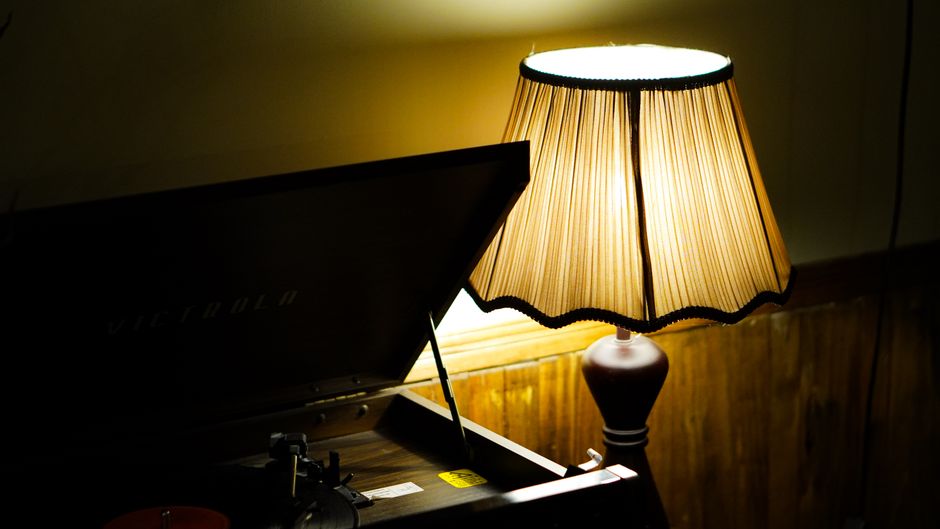
As the lamp casts a warm glow over the cluttered surface of the home desk, the sketchbook lies open, its blank pages beckoning. A quiet block of time stretches before the evening routine kicks in, and the coffee mug sits nearby, half-full and cooling. The supplies, however, remain zipped in a bag, creating an invisible barrier between intention and action. This moment, filled with potential, often slips away when the urge to create collides with the hassle of gathering materials.
When starting a sketchbook session, the first step should be reaching for the pen or pencil, yet many beginners overlook this simple action. Instead, they find themselves staring at the blank page, feeling the weight of expectation without a clear path forward. The absence of a quick setup can lead to an abrupt end to the session, leaving no cue to restart later. A small adjustment, like laying out the supplies beforehand or taking a quick photo of the current state, can transform this friction point into a more inviting setup for the next creative session.
The Expected Start: A Creative Routine
At your lamp-lit desk, the glow casts a warm light over the open sketchbook and notebook, both waiting for your touch. The coffee mug, still steaming, sits within reach, offering a comforting aroma that encourages creativity. With everything in place, the goal is to dive into drawing quickly, but often the moment slips away as the supplies remain zipped in their bag, creating an invisible barrier between intention and action.
To set a productive tone, begin by laying out your drawing tools: the pen, a few colored pencils, and perhaps a ruler for straight lines. This small action transforms your workspace into an inviting creative zone. Instead of feeling overwhelmed by the blank page, take a moment to photograph the current state of your desk. This visual cue can serve as a reminder for your next session, ensuring you don’t repeat the mistake of starting from scratch. When you finish a session, jot down a quick note in your notebook about what you want to explore next. This simple adjustment can prevent the session from ending without a restart cue, making it easier to pick up where you left off next time. By establishing this routine, you create a smoother transition into your creative practice, allowing the art to flow more freely.
Where It Breaks: The Session Stalls
Opening your sketchbook can feel daunting, especially when the first page stares back at you, blank and intimidating. The familiar setting of your home desk, lit softly by a lamp, should invite creativity, yet you find yourself hesitating. Your supplies, still zipped in their bag, create a barrier that feels insurmountable. The very act of unzipping the bag and laying out your tools—like your favorite pen and a few colored pencils—feels like a chore rather than a prelude to inspiration.
- Supplies remain packed away, causing delays.
- The blank page amplifies your hesitation, making it hard to start.
- Without a visual cue, the session drifts into uncertainty.
As you sit there, the quiet block of time before work or after dinner slips away, and you realize that the session is stalling. You can feel the creative energy dissipating, and the first visible sign of drift is your hand hovering over the page, unsure where to begin. To combat this, consider taking a quick photograph of your art desk before you start. This snapshot can serve as a reminder of your setup and can help you visualize where to pick up next time. When you finish, jot down a brief note about what you want to explore in your next session. This small act ensures you won’t end your creative time without a clear restart cue, making it easier to dive back in later. Why It Happens: Understanding the Friction As you sit at your lamp-lit work surface, the initial thrill of opening a fresh sketchbook can quickly turn into a weighty expectation. The excitement morphs into pressure, transforming what should be a joyful creative session into a daunting chore. This shift often leads to a feeling of paralysis, where the blank pages seem to mock your hesitation. The moment you realize you’re staring at the page without a clear idea, the enthusiasm dissipates, and you find yourself closing the sketchbook instead of diving in.
The primary hidden cause of this stall is the absence of a defined next step. Without a plan or a visual cue, indecision creeps in. You might have your favorite pen and a steaming coffee mug at hand, but if your supplies remain zipped in a bag, that simple act of unpacking can feel like a monumental task. Each second spent deliberating on where to start chips away at your motivation, leading you to abandon the session altogether.
Consider this: when you finish a session, take a moment to jot down a note about what you want to explore next time. This small act can create a tangible bridge to your next creative moment. It’s a simple adjustment that can transform your next session from a daunting restart into a seamless continuation of your artistic journey. If you end up closing your sketchbook without this cue, you risk losing the thread of inspiration that might have been waiting for you. The tradeoff here is clear: without a prompt, the excitement fades, and you may find yourself stuck in the cycle of uncertainty, delaying your return to the art desk.
This same friction shows up again in Starting New Hobbies Slowly, especially when the day tightens unexpectedly.
A Simple Correction: The Restart Cue
As you sit down at your lamp-lit work surface, the quiet of the evening can feel inviting, yet the thought of starting a new sketchbook session might still loom large. One common friction point is the abrupt end to your creative flow, often leaving you with unfinished thoughts and no clear path forward. Before you close your sketchbook, take a moment to photograph your current progress. This simple act captures the essence of your session, providing a visual reminder of where you left off. It can serve as a motivational touchstone for your next creative endeavor.
Alongside this, leave a note in your sketchbook with a prompt or idea for the next session. This small correction fits seamlessly into your routine, acting as a bridge that connects today’s work with tomorrow’s inspiration. When you finish your session, instead of just shutting the book, take a moment to write down what you want to explore next. This could be a specific technique, a theme, or even a color palette you want to revisit. By doing this, you not only document your thoughts but also create a tangible cue to spark your creativity when you return.
Without these two small adjustments, the risk is high: you may close your sketchbook without a restart cue, making it harder to dive back in later. The excitement of your last session can fade, leaving you with a blank slate that feels intimidating rather than inviting. By integrating these practices into your creative habits, you transform your art desk into a welcoming space for ongoing exploration, rather than a place of hesitation.
What Changes Once That Fix Repeats
If this pattern keeps repeating, Creative Hobbies For Adults extends the idea without leaving the niche.
As you settle into your lamp-lit work surface, the first thing you notice is how much easier it is to pick up your sketchbook after a brief pause. Instead of fumbling through a zipped bag for your supplies, you’ve left your favorite pen and a few colored pencils right next to the open sketchbook. This small act of preparation transforms your creative session from a chore into a spontaneous moment of inspiration.
After documenting your last session with a quick photograph of your unfinished drawing, you’ve created a visual reminder that beckons you back. Next time you sit down, that image serves as a launchpad. You can immediately see where you left off, making it easier to dive back into the flow of drawing. Instead of staring at a blank page, you’re greeted by your previous work, which acts as a springboard for new ideas.
When you finish today’s session, take a moment to jot down one note for your next creative block. This could be a simple phrase like "try shading techniques" or "explore landscape sketches". By doing this, you ensure that your next visit to the art desk isn’t just a repeat of the past but a continuation of a journey. The act of writing down these thoughts creates a tangible connection to your creative practice, making the next session feel less daunting and more inviting.
As you wrap up your session at the lamp-lit work surface, take a moment to ensure your sketchbook is easily accessible for next time. If your supplies are still zipped in a bag, consider laying them out on the desk. This small adjustment removes a friction point for your next creative session, allowing you to jump right back in without the hassle of unpacking. Each time you finish drawing, make it a habit to photograph your work-in-progress. This visual cue not only reminds you of where to start but also sparks new ideas for your next session.
Before you leave your art desk, jot down one actionable note that will guide you next time, like "experiment with color blending". This simple step transforms your sketchbook from a daunting blank slate into a familiar canvas, making it easier to continue your art practice. With these minor changes, starting your next sketchbook session will feel less like a chore and more like a continuation of your creative journey.


