Avoiding Setup Friction in Simple Art Projects
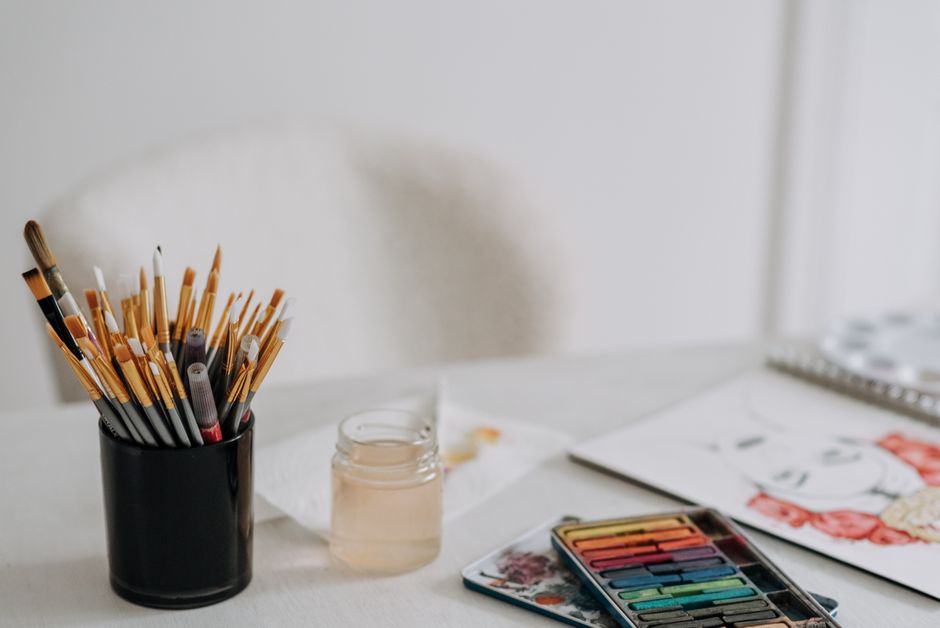
As the soft glow of the lamp illuminates the cluttered surface of the art desk, the quiet block of time after dinner feels like the perfect moment to dive back into the sketchbook. A few simple materials are already within reach: a well-loved notebook, a pen, and a sketchbook that has been waiting patiently for attention. Yet, as the pencil sits there, unsharpened, the excitement of starting a new drawing quickly turns into a daunting task. The thought of gathering supplies and setting up feels disproportionately large compared to the actual act of drawing.
This friction often stems from a missed check: before any creative session can begin, the pencil must be sharpened, and the sketchbook needs to be opened to a fresh page. These small, seemingly trivial tasks can create a mental barrier that halts the flow of creativity. Instead of simply picking up the pencil and starting to draw, the process becomes a series of steps that can feel overwhelming. Recognizing this setup energy is crucial; it’s not just about the act of creating but also about preparing the space and mindset to do so. Addressing these small details can transform the experience from a daunting chore into a simple, enjoyable practice.
The First Step That Gets Skipped
At the cluttered corner of my art desk, a half-empty coffee mug sits next to a well-loved sketchbook. The lamp casts a warm glow, inviting me to dive into a creative session. Yet, as I glance at the tools scattered around, the excitement of starting a new project is quickly overshadowed by the daunting thought of gathering everything I need. The first step often overlooked is sharpening my pencil. Without this simple task, the act of drawing feels like an uphill battle.
Instead of immediately reaching for the sketchbook, I need to create a small ritual that sets me up for success. I pull out the pencil sharpener and take a moment to listen to the satisfying sound of wood shavings falling into the tray. This minor adjustment not only prepares my tool but also signals to my brain that it’s time to create. Once the pencil is ready, I open the sketchbook to a blank page, feeling a sense of readiness wash over me. The act of flipping to a fresh sheet becomes a visual cue that I’m about to begin.
In this quiet block of time before work, the setup energy feels less overwhelming when I focus on these small, actionable steps. Each movement—from sharpening the pencil to opening the sketchbook—builds momentum. It’s a reminder that starting a creative project doesn’t have to be a massive undertaking. Instead, it can be as simple as preparing my space and tools, allowing me to transition smoothly into my art practice.
Where the Routine Breaks Down
As I sit down at my lamp-lit work surface, the first thing that catches my eye is the clutter scattered across my desk: half-finished sketches, a coffee mug with remnants of yesterday's brew, and various art supplies haphazardly strewn about. This visual chaos instantly dampens my motivation, making the thought of starting a creative session feel more daunting than it should. The desk, once a sanctuary for my art practice, now feels like a barrier to entry.
Before I can even think about diving into my sketchbook, I reach for my pencil, only to find it dull and unfit for drawing. I pause, realizing that sharpening it is a necessary step, but the moment feels like an added chore rather than an invitation to create. I grab the pencil sharpener and take a moment to listen to the whirring sound as the wood shavings gather in the tray. It’s a small act, yet it highlights the first visible sign of drift: the pencil needs attention before I can make progress.
As I sharpen, I notice the time ticking away, a quiet block before work slipping through my fingers. Each turn of the sharpener feels like a delay, a snag in my routine that pulls me further from the creative flow I seek. I realize that this moment, where setup energy wanes and motivation falters, stems from not just the dull pencil but also the clutter that surrounds me. The combination of these factors makes the initial setup feel larger than the actual creative practice I want to engage in.
To regain focus, I decide to clear a small area on my desk, moving aside the clutter to create a dedicated space for my sketchbook. This tiny adjustment, though simple, helps mitigate the overwhelming setup energy. I take a deep breath, reminding myself that even small steps can pave the way for a productive creative session.
Why This Friction Repeats
A slightly different version of this problem appears in Creative Hobbies For Adults, where the sequence changes but the hidden drag feels familiar.
Returning to my art desk after a few missed days brings a familiar weight. The sight of my sketchbook, nestled among scattered supplies, feels daunting. Each item, from the coffee mug to the unsharpened pencil, adds to the mental load. The thought of starting a creative session becomes tangled with the perception of effort required to clear the space and prepare.
- Procrastination often creeps in with simple tasks, like sharpening that pencil, which feels trivial yet looms large.
- The clutter on my desk acts as a barrier, making the setup seem more significant than the actual act of drawing.
- Even a small distraction, like a notification from my phone, can derail my focus and extend the delay.
To break this cycle, I set a checkpoint: before I dive into my creative session, I’ll take a moment to photograph the current state of my desk. This visual cue not only captures the clutter but also serves as a reminder of what I want to transform. I can then prioritize clearing just enough space for my sketchbook and supplies, allowing me to focus on the drawing instead of the setup. This shift in perspective helps me see that the actual creative practice is often less demanding than the setup I initially perceive.
A Simple Correction That Works
If this pattern keeps repeating, Starting New Hobbies Slowly extends the idea without leaving the niche.
The pencil sharpener, often overlooked, can be a game changer when returning to my art desk after a few missed days. It sits there, just beside my sketchbook, a small yet vital tool that can eliminate the initial friction of starting a creative session. When I reach for my pencil and find it dull, that moment can easily lead to procrastination. Having the sharpener within arm's reach means I can quickly prepare my tools without feeling overwhelmed by the setup.
Before diving into my art practice, I take a moment to check my supplies. I glance at my coffee mug, which holds my favorite pens, and ensure my sketchbook is open to a fresh page. Setting a reminder on my phone to check these supplies before I start helps me avoid the frustration of realizing mid-session that I’m missing something essential. This simple adjustment—keeping the sharpener handy and checking my supplies—streamlines my setup, allowing me to focus on what truly matters: the act of drawing. By making these small corrections, I can transform the daunting setup into a seamless transition into creativity.
What to Check Before You Begin
At my home desk, the lamp casts a warm glow over my art supplies, but the clutter can sometimes feel overwhelming. Before launching into a sketchbook session, I make it a point to clear away any distractions. This means only keeping my sketchbook, a sharp pencil, and a few pens within reach. I take a moment to glance at my coffee mug, which holds my favorite pens, ensuring I have everything I need right at hand.
One crucial step that often gets overlooked is checking the sharpness of my pencil. If I pick it up and find it dull, that can halt my momentum before I even start. To avoid this, I keep a small sharpener on my art desk, positioned next to my sketchbook. When I sit down for a quiet block of time, either before work or after dinner, I first grab the pencil and sharpen it. This simple action not only prepares my tool but also sets a focused tone for the session. By making this check part of my routine, I ensure that the setup doesn’t become a barrier to my creativity.
Additionally, I always take a quick look at my supplies before diving in. I check that my sketchbook is open to a fresh page and that my pens are working. This small ritual of organization helps mitigate the setup energy required to begin, allowing me to transition smoothly into my creative practice without the nagging worry of missing something essential.
What Changes After the Correction
When I sit down at my lamp-lit work surface, the small adjustments I’ve made to my setup transform the way I approach my creative session. The first noticeable difference is that starting feels less daunting. With my pencil sharpened and my sketchbook open to a fresh page, I can dive right into my craft project without the usual hesitation that comes from an unprepared workspace. This simple act of preparation reduces the mental load that often accompanies the initial phase of a drawing session.
During my next quiet block of time, whether it’s before work or after dinner, I find that the flow of creativity improves significantly. Instead of spending precious minutes rummaging through supplies or worrying about whether my pens are functioning, I can focus entirely on the act of creating. I make a habit of placing my favorite pen next to my sketchbook, ensuring it’s ready to go. This small detail not only saves time but also cultivates a sense of readiness, making it easier to transition into my art practice.
As I engage with my materials, I notice that the energy I once spent on setup now fuels my creativity. The act of photographing the current state of my work before I begin serves as both a checkpoint and a motivator. By capturing that moment, I create a visual reminder of where I started, which encourages me to push forward rather than feel overwhelmed by what lies ahead. This shift in energy fosters a smoother creative session, allowing me to embrace the process rather than dread the setup.
Returning to your art desk after a few missed days can feel daunting, especially when the setup seems more significant than the act of creating itself. To ease back into your sketchbook, take a moment to sharpen your pencil before anything else. This small action transforms the space from a static setup into an inviting workspace, signaling that it’s time to create. It’s a simple yet effective way to break the inertia and shift your focus from the overwhelming task of starting to the joy of drawing.
As you prepare to dive into your creative session, look at your supplies and consider taking a quick photograph of your workspace. This snapshot serves as a tangible reminder of your starting point, helping you visualize the progress you can make. By anchoring your practice in these small, deliberate actions, you not only mitigate the initial friction but also cultivate a more enjoyable art practice that invites you back to the page with enthusiasm.


