A More Useful Way to Approach Art Practice
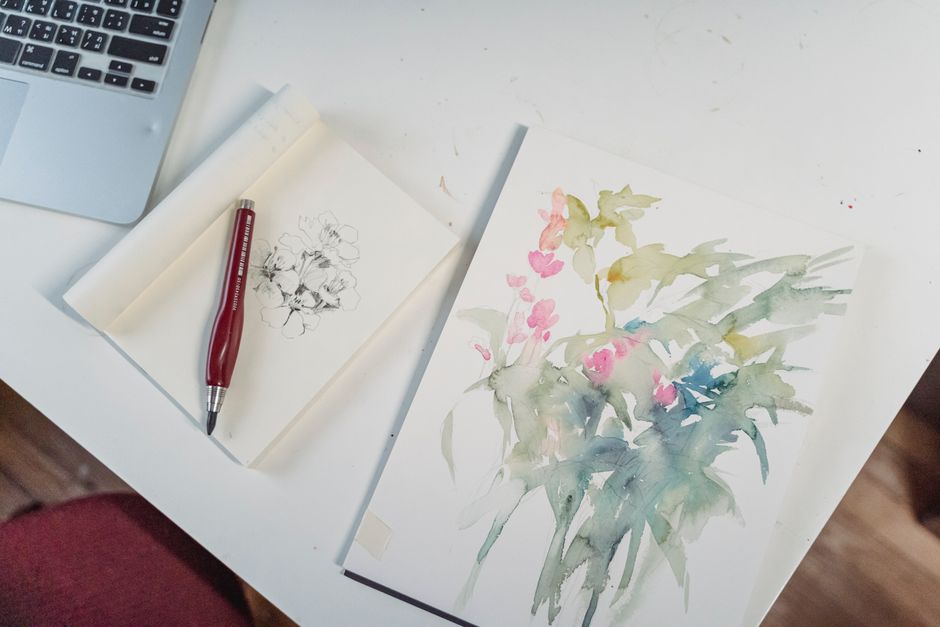
As the evening light filters through the window, the desk is cluttered with a sketchbook, a few pens, and a coffee mug half-filled with cold brew. The lamp casts a warm glow over the workspace, inviting creativity but also highlighting the supplies that have been tucked away in a zipped bag for too long. It's a quiet moment, just before diving into the evening's tasks, and yet, the thought of starting a new drawing feels heavier than it should. The sketchbook lies open, but the hesitation to begin looms larger than the blank page.
Often, the friction lies not in the lack of ideas but in the setup that precedes the creative session. When supplies are hidden away, it becomes all too easy to let the moment slip away, leaving the desk as it is—untouched and unproductive. Leaving just one tool, like a favorite pen, out on the desk can serve as a visual cue to prompt action. This small adjustment can shift the mindset from one of reluctance to readiness, making the transition from pause to practice feel less daunting and more inviting.
The Routine That Should Flow
The art desk is a canvas of potential, with the sketchbook lying open and a pen resting beside it, ready for inspiration. The warm glow of the lamp creates a cozy atmosphere, inviting creativity to flourish. Yet, the supplies remain zipped in their bag, and the moment feels heavy with hesitation. This friction often stems from an overly complicated setup, leaving the artist stuck at the starting line. When the goal is to jump into a short creative session, the first step should be as simple as reaching for that pen and letting it rest on the desk.
To ease into the creative flow, consider the sequence of actions: first, pull the sketchbook from its resting place and set it on the desk, ensuring it’s easily accessible. Next, leave the pen out in plain sight as a gentle reminder to begin. This small adjustment transforms the workspace from a static environment into an active invitation. The sketchbook, now open and waiting, coupled with the visible pen, reduces the friction of starting. Instead of feeling overwhelmed by the blank page, the artist can simply pick up the pen and let the ideas flow, turning a quiet moment into a productive one.
Where It Breaks First
This same friction shows up again in Creative Hobbies For Adults, especially when the day tightens unexpectedly.
In the dim light of a lamp on a cluttered home desk, a sketchbook sits closed, its pages untouched. The familiar feeling of wanting to create is overshadowed by the sight of supplies zipped tightly in a bag, requiring extra effort to unpack. This initial barrier can stop a creative session before it even begins, as the thought of rummaging through materials leads to a mental block. Instead of diving into a project, the artist finds themselves hesitating, staring at the bag instead of the blank page.
A simple adjustment can shift this dynamic. The next time you plan to sketch, set out your materials in advance. Place the sketchbook open on the desk, and leave one tool, like a pen or pencil, resting beside it. This small act transforms the workspace into an inviting space for creativity. When the pen is visible, it serves as a cue to start, reducing the friction of unpacking supplies. Without this simple setup, the first visible sign of drift occurs: the artist's attention drifts away, and procrastination sets in.
Next time, take a moment before your creative session to ensure everything is ready. Check that your sketchbook is open and that your pen is within reach. This way, when you sit down—whether it’s a quiet block before work or a moment after dinner—you’re not faced with the daunting task of setup. Instead, you can simply pick up the pen and begin, turning that moment into a productive one.
Why This Failure Repeats
A slightly different version of this problem appears in Starting New Hobbies Slowly, where the sequence changes but the hidden drag feels familiar.
At the home desk, the lamp casts a warm glow over a sketchbook, but the supplies remain zipped in a bag. Each time you sit down to create, the act of unpacking feels like an insurmountable chore. This hesitation often leads to a mental block, where past experiences of starting and stopping resurface, creating a frustrating cycle. The simple act of reaching for the bag can feel overwhelming, especially when the clock is ticking, and you only have a few quiet moments before work or after dinner.
To break this cycle, consider leaving one tool out—a pen, for instance—next to the open sketchbook. This small adjustment transforms your workspace into an inviting space for creativity. When the pen is visible, it serves as a cue to start, reducing the friction of unpacking supplies. The hidden cause of this failure lies in the mental association formed with each past attempt: the frustration of starting anew. By making this tiny change, you shift the focus from the daunting task of setup to the simple act of picking up the pen and beginning to draw. Without this adjustment, the session often ends without a clear restart cue, leaving you with a lingering sense of unfinished business. A Simple Correction to Make Starting Easier To ease the tension of starting a creative session, keep your sketchbook open on your art desk, paired with a pen placed right next to it. This simple setup ensures that when you sit down at your lamp-lit work surface, the tools are visible and ready to use. The act of seeing the pen serves as a gentle prompt, nudging you to pick it up and begin without the mental load of unpacking supplies.
- Always leave your sketchbook open and accessible on your desk.
- Set a timer for five minutes to encourage a short, focused creative burst.
- Make it a habit to keep one essential tool, like a pen, ready to grab.
This small correction shifts your approach from a daunting task to a manageable one. When you sit down, the five-minute timer creates a low-pressure environment, making it easier to dive into your drawing or journaling. By establishing this routine, you’ll find that the initial friction of starting diminishes, allowing for a smoother transition into your creative practice.
A Quick Checkpoint to Stay on Track
Before diving into your next sketch, take a moment to ensure your supplies are within reach. If your sketchbook and pen are zipped away in a bag, the barrier to starting grows higher. Instead, keep your sketchbook open on the desk, with your favorite pen resting on top. This small adjustment transforms your workspace into an inviting setup, reducing the friction that often halts creativity.
A tidy workspace is equally crucial. Clear off any clutter that might distract you, like old coffee mugs or unrelated papers. When you sit down at your lamp-lit work surface, the sight of your open sketchbook and pen serves as a visual cue, reminding you of your creative intention. This simple act of preparation not only sets the stage for your session but also makes it easier to transition into drawing or journaling. By checking your setup before you start, you create a smoother path back to your art practice, allowing for more productive creative bursts.
What Changes Once That Fix Repeats
Leaving your favorite pen on top of an open sketchbook not only invites you to draw but also shifts your mindset toward creativity. When you return to your lamp-lit work surface after a short break, the sight of that ready-to-use tool acts as a gentle nudge, encouraging you to pick up where you left off. This small adjustment transforms the next creative session into a more fluid experience, where starting feels less like a chore and more like a natural continuation.
During your next quiet block before work, you might find that the simple act of grabbing your sketchbook and pen feels almost instinctual. Instead of rummaging through a bag to find your supplies, you can dive straight into a craft project. The ease of access means you spend less time on setup and more time on actual drawing or journaling. As you start sketching, the initial friction of getting organized fades away, allowing your creative flow to take center stage.
In this way, your workspace becomes a catalyst for creativity. Each time you leave that pen out, you reinforce a habit that lowers the barrier to entry. Over time, this small change accumulates, making it easier to engage with your art practice. The next time you sit down, you may even find yourself sketching more freely, without the hesitation that once accompanied your sessions. This shift not only enhances your creative output but also fosters a more enjoyable experience overall.
When the end of your creative session arrives, take a moment to leave your sketchbook open on the desk, with your favorite pen resting beside it. This simple act serves as a visual cue that invites you back into your art practice. Instead of closing everything up or tucking supplies away, maintain an inviting workspace that beckons you to return. The next time you have a quiet moment, whether before work or after dinner, you’ll find it easier to pick up where you left off.
By creating this ready-to-start setup, you eliminate the friction of preparation. No more rummaging through a bag or searching for materials; your art desk transforms into a welcoming space for creativity. Each time you leave that pen out, it reinforces the habit of returning to your creative hobbies, making it more likely that you’ll dive back into your projects with enthusiasm.


