The Mood Shift: When Simple Art Projects Start to Slip
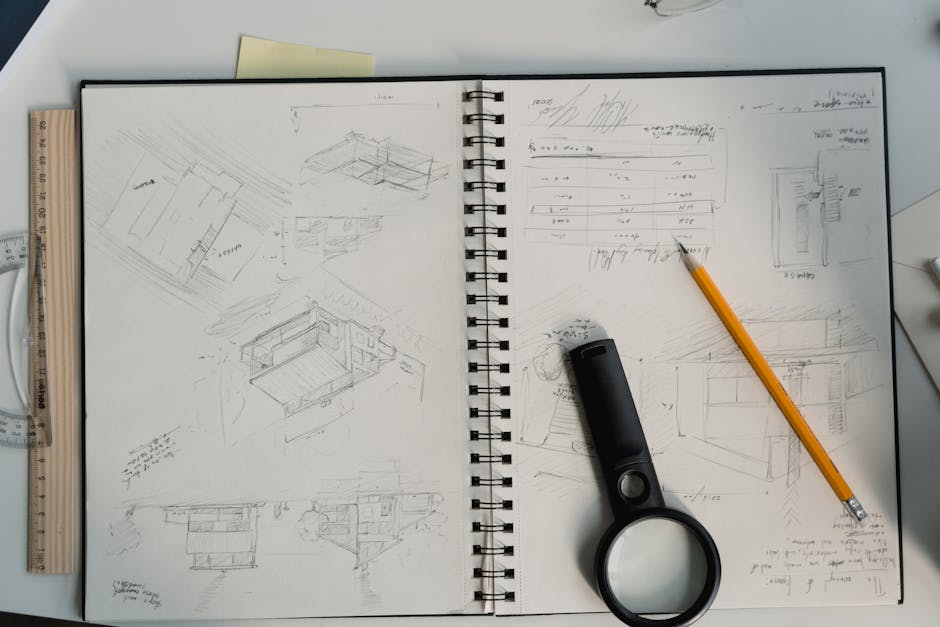
At the corner of my lamp-lit work surface, the sketchbook lies open to a blank page, beckoning me to fill it with lines and colors. It's a quiet evening, the kind that offers a brief respite before the busyness of the next day. I reach for my favorite pen, its weight familiar in my hand, but I hesitate. The supplies are nearby—colored pencils neatly arranged, a coffee mug half-full—but they aren't quite ready. The next page is not chosen, and the thought of flipping through the sketchbook feels like a minor hurdle, a friction point that halts my momentum.
This moment captures the subtle shift that happens when engaging in simple art projects becomes more about mood than routine. Without a clear setup, the creative session feels less inviting. I glance at the nearby craft project, its unfinished state a reminder of previous intentions. The absence of a visible cue, like a chosen color or a specific tool, creates a gap in my focus. Instead of diving into a flow of creativity, I find myself stalled, caught between the desire to create and the lack of a structured approach to begin. This friction leads me to wonder why these simple art projects can feel so daunting when they should be a source of joy.
The Quiet Setup Before the Chaos
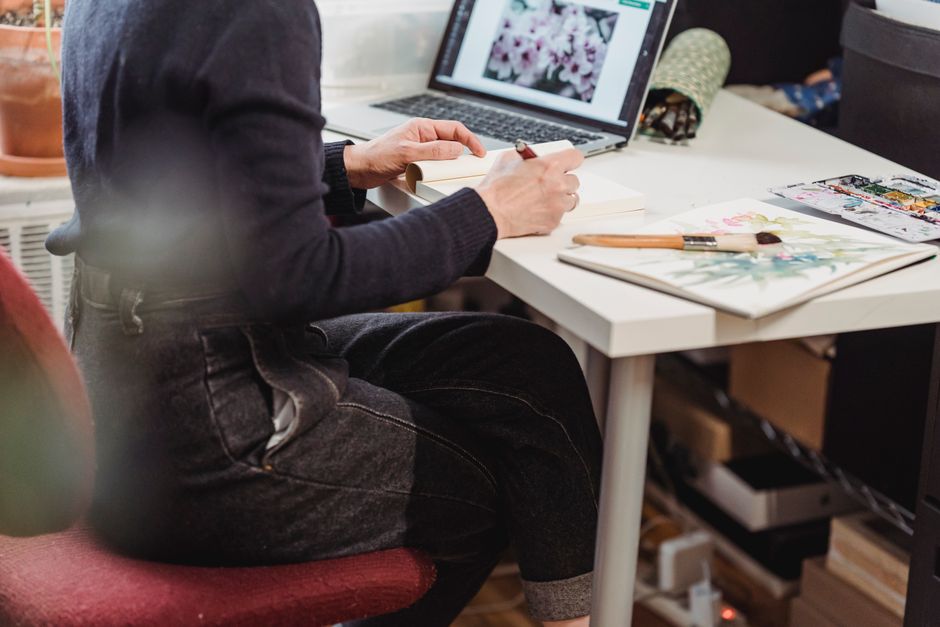
The warm glow of the desk lamp casts a comforting light over my work surface, illuminating the open sketchbook that eagerly awaits my next drawing. The coffee mug, still half-full, sits nearby, its aroma mingling with the faint scent of colored pencils that are neatly arranged but not yet in use. This cozy atmosphere feels inviting, yet I sense an underlying tension as I prepare to dive into my creative session.
With a quiet block of time stretching before me, I glance at the craft project I had started last week, its half-finished state a reminder of my intentions. The supplies are within reach, but they lack the organization needed to spark my creativity. I realize that simply having the materials visible isn’t enough; I need to create a clear path to begin. I take a moment to flip through the sketchbook, checking for a blank page that calls to me. This small action—choosing the next page—becomes a crucial step in bridging the gap between intention and action.
As I turn to the next blank page, I notice the absence of a visible cue, like a selected color or a specific tool, which can often stall my momentum. Without that clear decision made beforehand, I find myself hesitating, caught between the desire to create and the lack of a structured approach. This friction illustrates how easily a simple art project can feel daunting when it shifts from a repeatable habit into a mood-driven endeavor. The cozy setup is there, but the readiness to create requires more than just the right atmosphere; it needs a deliberate choice to engage with the materials at hand.
The First Signs of Distraction
The soft glow of my desk lamp casts a warm light over my art supplies, yet I find myself staring at my phone instead of my sketchbook. A notification buzzes, pulling my attention away from the blank page waiting for my next drawing. This moment marks the beginning of a familiar pattern: the shift from eager anticipation to distracted hesitation. The phone, a constant companion, often becomes the first barrier to my creative flow, diverting my focus just when I should be settling into my art practice.
As I glance back at my sketchbook, I realize I haven’t chosen the next page to work on. The hesitation lingers, and I feel the weight of indecision. Should I sketch that idea I had last week, or try something new? The absence of a clear direction stalls my momentum. I reach for my coffee mug, taking a sip to buy myself a moment, but the act only highlights the delay. Without a visible cue—like a selected color or a specific tool—my creativity feels stifled. The materials are there, but they lack the spark needed to ignite my session.
In this quiet block of time before work, I know I need to open the sketchbook and flip to a blank page, yet the decision feels heavier than it should. I can see the potential for a simple art project, but the distraction of the phone and the unchosen page create a friction that makes starting feel daunting. This illustrates how easily the routine can falter, shifting from an enjoyable habit into a struggle against the everyday distractions that creep in.
What Happens When Mood Takes Over?
If this pattern keeps repeating, Creative Hobbies For Adults extends the idea without leaving the niche.
As I sit at my lamp-lit desk, the familiar sight of my sketchbook and pen beckons me, yet I hesitate. The difference between a scheduled creative session and waiting for inspiration has never felt more pronounced. When I set aside time for art, the act of opening the sketchbook feels like a ritual, a commitment that pulls me into the creative flow. But tonight, the absence of a defined slot leaves me adrift, waiting for a spark that may never come.
Good intentions can only carry me so far. I glance at my supplies, neatly arranged but not fully ready for use. The sketchbook lies closed, and I realize I’ve skipped a crucial step: selecting a page before diving in. This small act can make all the difference. Without that initial choice, I’m left with a blank slate that feels daunting rather than inviting. As I sip my coffee, I notice my phone nearby, its notifications a siren call pulling my focus away. The friction of not having a clear plan or an open page creates a barrier, turning what should be a simple art project into a struggle against distractions. I recognize that my creative routine has faltered, not because of a lack of desire, but due to the shift from a structured practice to a mood-driven approach that leaves too much room for hesitation.
A Simple Adjustment to Regain Focus
This same friction shows up again in Starting New Hobbies Slowly, especially when the day tightens unexpectedly.
The lamp casts a warm glow over my cluttered work surface, where my sketchbook lies closed beside a half-empty coffee mug. I glance at my supplies, all within reach but still feeling unprepared. The absence of a clear starting point looms large, and I realize that I’ve overlooked a simple yet vital step: choosing a specific page in my sketchbook before I begin. This small act can transform my approach, eliminating the decision fatigue that often stalls my creative sessions.
To counteract this, I set a timer for just fifteen minutes. This creates a sense of urgency, nudging me to dive in rather than linger on what to draw. With the timer ticking down, I flip open my sketchbook to a page that already has a faint outline from a previous session. I can see the potential waiting there, ready for me to build upon it. This shift in sequence—deciding on the page first and then starting the timer—removes the friction that typically derails my focus. As I pick up my pen, I feel the weight of hesitation lift, allowing me to embrace the simple art project ahead.
Even with the timer set, my phone buzzes softly, a reminder of the distractions lurking nearby. But with a clear page chosen and a short window to work, I’m better equipped to resist the pull of notifications. This adjustment doesn’t guarantee a masterpiece, but it does restore a sense of momentum, reminding me that the act of making can thrive even amidst everyday distractions.
The Ripple Effect of a Small Change
The soft glow of the lamp on my desk casts a warm light over the scattered materials: a sketchbook, a pen, and a half-finished craft project. As I sit down for a quiet block of time before work, I notice how these familiar objects already create a welcoming atmosphere. I choose to open my sketchbook to a new page, the blankness inviting me to fill it with whatever comes to mind. This small act of preparation feels crucial; it’s a signal to my brain that this is a dedicated creative space, ready for exploration.
After a brief session of drawing, I find myself feeling more energized and inclined to engage in another project later in the day. The act of creating—even for just a short time—has a ripple effect, making me more open to the idea of journaling or even tackling that craft project I set aside last week. I glance at the coffee mug beside me, still half-full, and realize that I can easily refill it later as I transition into another creative habit.
With the lamp still glowing, I feel less pressure to rush. Instead, I can take a moment to reflect on what I’ve made and jot down a few thoughts in my journal. This simple act of writing serves as both a record and a prompt, keeping the creative momentum alive. The next time I sit down, I won’t just be facing a blank page; I’ll have a thread of ideas to pick up from, making it easier to dive back into my art practice without the usual setup friction. Yet, even with this small change, I still wonder if I can maintain this flow amidst the distractions that often pull me away. As I sit at my lamp-lit work surface, I notice the sketchbook still open to the last page I worked on. The next page is blank, a small but significant barrier to continuing my art practice. I reach over to the nearby drawer and pull out a few colored pencils, placing them next to my mug. This simple act of arranging my supplies reduces the friction I often face when trying to start a creative session. It’s a reminder that having everything within reach can make a difference.
Yet, even with my supplies ready, the question lingers: how do I keep this momentum going when distractions beckon? I decide to take a few moments before diving into my next drawing, jotting down ideas in my journal. This small ritual not only warms me up for the task but also helps me reconnect with my creative intentions. The next time I sit down, I’ll make sure to check that my sketchbook is open to a fresh page, ready for whatever inspiration strikes, minimizing the chance of getting sidetracked again.