The First Step That Gets Skipped
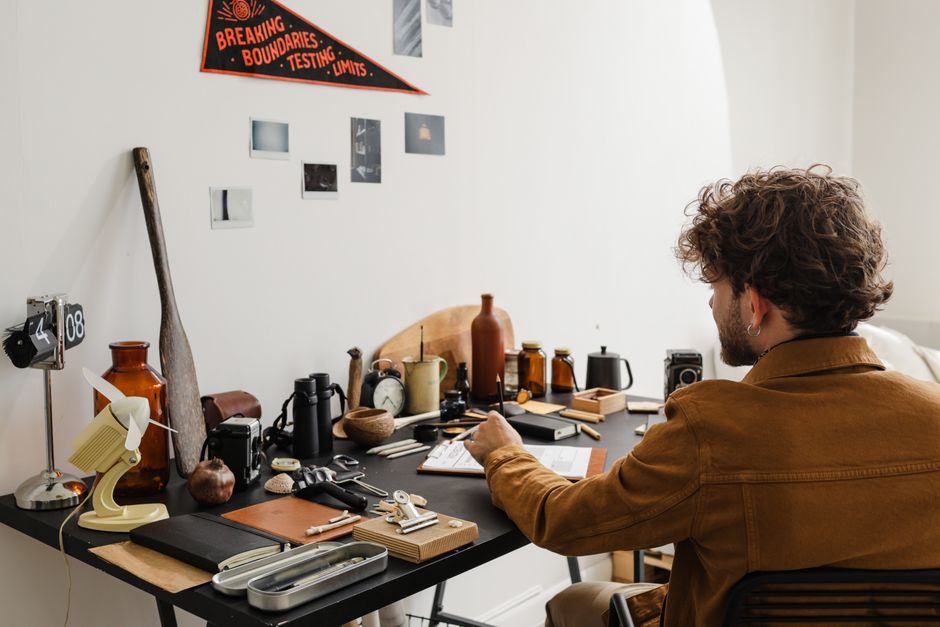
At the home desk, the lamp casts a warm glow over a scattered array of simple creative materials: a sketchbook, a few colored pencils, and a half-finished drawing. As the clock ticks toward the quiet block before work, the urge to dive into a short creative session rises. However, the next page in the sketchbook remains unchosen, leaving the hobbyist momentarily frozen. This small hesitation hints at a larger issue—without a clear first step, the session risks fizzling out before it even begins.
Grabbing a pen, the hobbyist flips through the sketchbook, but the absence of a marked next step makes it hard to settle into the rhythm of drawing. The coffee mug sits untouched, a reminder that the session could easily slip away into unfinished projects. The simple act of noting what to focus on next could bridge the gap between intention and action, yet it often gets overlooked. When the session ends without a restart cue, the path to creativity feels cluttered, and the promise of the next art practice fades into the background.
A Quiet Evening at the Art Desk
The art desk is a small island of calm, illuminated by a warm lamp casting soft shadows over a clutter-free surface. A sketchbook lies open, its blank pages inviting creativity, while a pen rests nearby, ready for action. A coffee mug, still steaming, sits within reach, promising a comforting sip as inspiration flows. It’s a quiet block of time, just after dinner, when the world outside settles down, and the urge to create feels strongest.
Yet, as the hobbyist stares at the blank page, a familiar hesitation creeps in. The first step remains unclear, and the initial excitement begins to wane. Without a marked next step, the potential for a productive session dwindles. The sketchbook, though filled with ideas, lacks a clear direction, and the absence of a chosen next page creates a mental block. The hobbyist knows that simply noting down the next project or idea could provide the necessary cue to dive in, but that thought slips away amidst the uncertainty.
In this moment, a practical move could be to grab a sticky note and jot down the next step: "Draw the sunset from yesterday's walk." This small action could serve as a tangible restart cue for the next session, transforming the blank page into a canvas filled with possibility. But as the evening stretches on, the risk remains that without this simple adjustment, the creative session may dissolve into another missed opportunity, leaving the desk as quiet as it began.
The Moment of Uncertainty
As the evening light filters through the window, the hobbyist sits at their lamp-lit work surface, staring at a blank page in their sketchbook. The coffee mug sits nearby, steam rising, but the warmth of the drink does little to spark creativity. The absence of a clear next step looms large. Should they draw the vibrant sunset from yesterday's walk or perhaps sketch the old oak tree in the backyard? Without a decisive choice, the sketchbook feels like a barrier rather than a canvas.
This hesitation leads to a frustrating realization: the session is slipping away. Minutes pass as they flip through the pages, hoping for inspiration to strike, but the blankness only amplifies the uncertainty. The session ends prematurely, leaving the desk untouched and the creative energy dissipated. A simple action, like marking the next step with a sticky note—"Draw the sunset"—could have transformed this moment. Yet, in the absence of that cue, the potential for a fulfilling creative session fades, and the lamp casts shadows over an unproductive evening.
What makes this oversight so easy to miss is the habit of starting without a plan. The art desk, filled with colorful supplies and tools, can feel overwhelming when the first visible step isn’t clear. The hobbyist knows they have ideas waiting to be brought to life, but without that small nudge to choose the next page, the creative practice risks becoming a cycle of missed opportunities, leaving them staring at the same blank page day after day.
Marking the Next Step
A slightly different version of this problem appears in Creative Hobbies For Adults, where the sequence changes but the hidden drag feels familiar.
As the lamp casts a warm glow over the art desk, the hobbyist reaches for a sticky note, feeling the weight of unfulfilled creative potential. They decide to jot down a quick idea for the next drawing—"Sketch a cozy cabin in the woods." This simple act of writing serves as a visual cue, reducing the friction that often halts their creative flow during the next session.
- Place the sticky note on the edge of the sketchbook for easy visibility.
- Ensure the note is written in bold, easy-to-read letters.
- Keep a pen nearby to add any additional thoughts as they come.
By taking this small step, the hobbyist transforms the end of one session into a clear starting point for the next. When they return, the reminder is right there, ready to guide them into action, eliminating the hesitation that often comes from staring at a blank page.
Creating a Repeatable Pattern
If this pattern keeps repeating, Starting New Hobbies Slowly extends the idea without leaving the niche.
On the art desk, a dedicated page in the sketchbook waits, filled with brainstorming ideas and half-formed thoughts. This page becomes a crucial part of the creative process, serving as a launchpad for each session. When the hobbyist sits down with their coffee mug in the quiet moments before work, they glance over this page, instantly recalling the projects they envisioned. This simple act of review minimizes the initial friction that often derails their momentum.
Before diving into a new drawing, the hobbyist takes a moment to scan the ideas listed, picking one that sparks excitement. They decide to sketch a "cozy cabin in the woods" from the note left on the edge of the sketchbook. This quick check not only provides clarity but also sets a clear intention for the session. By establishing a routine of reviewing this brainstorming page, they create a repeatable pattern that transforms the start of each session into a seamless transition from thought to action.
To further enhance this process, they keep a pen nearby, ready to jot down any new ideas that arise during the session. If inspiration strikes mid-drawing, they can quickly add to the brainstorming page rather than losing the thought. This small adjustment ensures that the creative flow remains uninterrupted, reinforcing the habit of preparation and reducing the setup drag that can often lead to frustration. As they close the sketchbook, the next step is already marked, making it easier to return without hesitation.
As the lamp casts a warm glow over the art desk, it's easy to overlook the importance of a simple note or a clear next step. Leaving the sketchbook open to a blank page can lead to uncertainty about where to begin, causing hesitation that disrupts the flow of creativity. Instead, taking a moment to jot down the next project idea or a specific technique to try can serve as a powerful cue for the next session. This small act of preparation transforms the workspace into a welcoming environment, ready for immediate engagement.
Before wrapping up for the day, consider placing a sticky note on the edge of the sketchbook with a brief reminder of what to tackle next. This not only alleviates the setup drag but also ensures that when you return, the first visible step is already defined. By marking that next step, you create a seamless transition from one creative session to the next, making it easier to dive back into your art practice without losing momentum.