A More Useful Way to Approach Art Desk
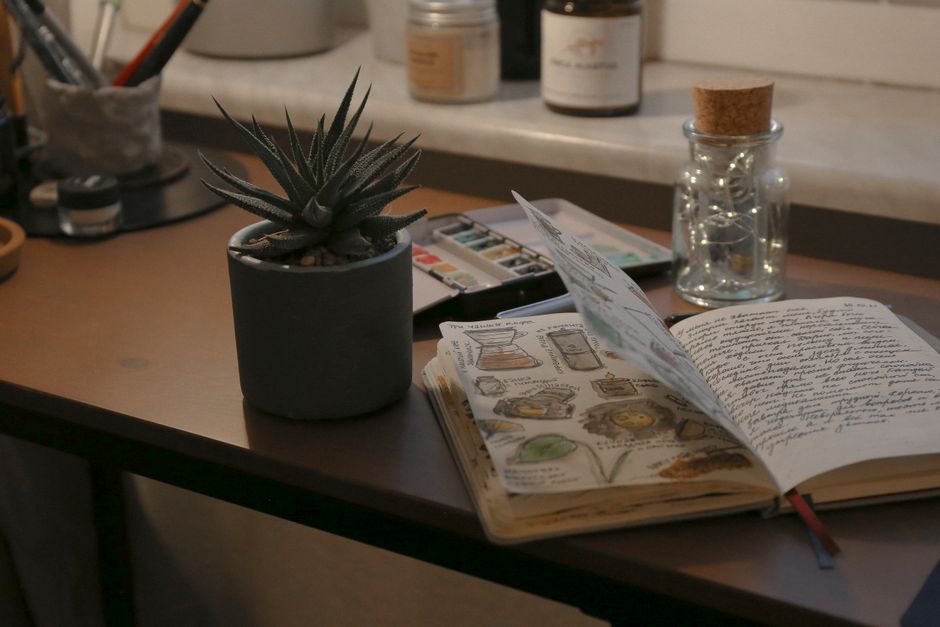
At the edge of the sketchbook, a blank page waits under the soft glow of a desk lamp. The coffee mug, still warm from a recent sip, sits beside a colorful array of pens and pencils, all ready for a short creative session before work. The intention is clear: to fill that empty space with doodles or ideas, a simple art project that should feel effortless. Yet, as the pen hovers above the page, a familiar hesitation creeps in. What if the next page isn’t chosen? What if today’s creative burst fizzles before it even starts?
This moment, poised between inspiration and inaction, reveals a hidden friction in the process of starting simple art projects. The absence of a clear restart cue often leaves the artist stranded, unsure of how to transition from one creative session to the next. Without a note to remind themselves of where to pick up or what to explore, the sketchbook can feel daunting rather than inviting. This subtle barrier can turn a straightforward task into a source of anxiety, making it harder than it appears to simply begin.
The Quiet Start That Gets Disrupted
At the corner of a well-worn art desk, a sketchbook lies open, its pages waiting for the ink of fresh ideas. The soft glow from a nearby lamp casts a warm light over the scene, illuminating a coffee mug that holds the last remnants of an evening brew. This calm moment, just after dinner, feels like the perfect opportunity to dive into a quick journaling session. Yet, as the pen rests lightly against the page, the mind stumbles. The next page isn’t chosen, and the hesitation grows.
This pause can be more than just a moment of indecision; it’s a friction point that can derail the entire creative session. Without a clear way to transition from one sketch to the next, the artist may find themselves staring at the edge of the page, unsure of what to do next. A simple action, like taking a photograph of the current state of the page, can serve as a visual cue for the next session. This small step not only preserves the ideas but also provides a tangible reminder of where to pick up. The absence of this practice can leave the artist feeling lost, turning a straightforward journaling task into a source of anxiety, making it harder than it appears to simply begin.
When the Energy to Create Slips Away
The sketchbook lies open on the art desk, a blank page staring back, waiting for inspiration. The coffee mug sits half-full, steam rising slowly in the quiet of the evening. This moment feels ripe for creativity, yet a sense of overwhelm creeps in. The previous drawing, vibrant and full of life, now feels like a distant memory, and the next page remains untouched, a canvas of uncertainty.
Instead of diving into the next project, the mind races through possibilities, each idea slipping away like water through fingers. The hesitation to choose what to create next becomes a friction point, halting the momentum of the creative session. Without a clear next step, the artist might find themselves fixated on the blank edge of the page, paralyzed by indecision. The energy that once sparked enthusiasm now feels like a weight, stifling the urge to draw.
In this moment, a small but effective action can break the cycle: photograph the current state of the page. This simple step captures the essence of the unfinished work, serving as a visual reminder for the next session. However, if this check is skipped, the artist risks losing the thread of inspiration, making it harder to return. The blank page remains daunting, and the transition from one creative moment to the next becomes a challenge, illustrating how the initial excitement can fade into a struggle against inertia.
Why Setup Energy Becomes a Barrier
As you sit at your home desk, the clutter of art supplies sprawled across the surface can quickly become a source of distraction. The half-finished sketches, a few stray pens, and a coffee mug that’s been there too long create a visual noise that complicates the decision-making process. When you finally sit down to draw, the first hurdle is not just choosing a subject but also finding mental clarity amidst the chaos.
- Without a clear subject in mind, your gaze drifts to the edge of the sketchbook page, where the next blank canvas looms large, taunting you with possibilities.
- Physical clutter can lead to mental clutter; if you can’t see your favorite pens or the sketchbook you want to use, it’s easy to lose focus and motivation.
- Skipping the step of organizing your workspace may seem minor, but it can lead to a frustrating cycle of indecision that halts your creative flow, making it harder to dive back in next time.
Next time you finish a creative session, take a moment to photograph the current state of your work. This small action not only preserves your progress but also serves as a visual cue for what to pick up next. Without this check, the clutter and indecision can feel overwhelming, making it harder to reignite your creative spark when you return to your art desk.
A Simple Shift to Regain Momentum
A slightly different version of this problem appears in Creative Hobbies For Adults, where the sequence changes but the hidden drag feels familiar.
As you sit at your art desk, the quiet block of time before work stretches out, inviting you to dive into your sketchbook. Yet, the blank edge of the next page feels daunting, a stark reminder of the creative block that has lingered. Instead of flipping to that empty canvas, you find yourself hesitating, unsure of what to explore next. This moment of indecision can easily lead to a session that ends without a clear stopping point or restart cue, leaving your creative energy untapped.
To ease this friction, take a moment to photograph the current state of your sketchbook. This simple action captures your progress and provides a visual reminder of where to pick up next time. After snapping the photo, jot down a quick note on what you want to explore in your next session. It could be a new technique, a subject you’ve been wanting to draw, or even a color palette you want to try. This small shift not only helps you remember your intentions but also eliminates the guesswork when you return to your art desk.
Consider this sequence: finish your drawing, photograph it, and then write your note before closing the sketchbook. By following this order, you create a clear pathway back into your creative practice, reducing the friction that can build up between sessions. The next time you sit down, you’ll have a tangible cue to guide your hand, transforming what once felt like a blank slate into an exciting opportunity for exploration.
The Next Page: A Fresh Start Awaits
If this pattern keeps repeating, Starting New Hobbies Slowly extends the idea without leaving the niche.
As you close your sketchbook, the edge of the last page holds the remnants of your creative session—a half-finished drawing and scattered notes. This moment can feel like a natural stopping point, but it often leads to the friction of not knowing where to begin next time. To counter this, take a moment to photograph your current work. This simple act not only captures your progress but also serves as a visual cue for your next creative session.
After snapping the photo, place your sketchbook on your art desk, open to the next blank page. This small adjustment signals your intention to continue, making the transition smoother. Next, jot down a quick note about what you’d like to explore during your next session—perhaps a new technique or a color palette you’ve been eyeing. This step creates a tangible reminder of your creative goals, which can be especially motivating when you return.
Consider setting a reminder on your phone for a specific time, like an hour after dinner, to keep the momentum going. This way, you won’t just drift away from your art practice; you’ll have a clear plan to return to. By establishing this routine, you’re not only reducing the friction of restarting but also fostering a habit that can lead to more fulfilling creative sessions. The next time you sit down, you’ll find that the blank page no longer feels daunting but rather an invitation to explore new ideas.
As you wrap up your creative session, take a moment to photograph the current state of your sketchbook page, capturing the ideas and marks you've made. This simple act not only documents your progress but also serves as a visual cue to reignite your inspiration later. Without this check, it’s easy to forget where you left off, leading to a frustrating restart next time.
Before you close your sketchbook, leave a note on the next page about what you want to explore in your next session. Whether it's a new drawing technique or a color palette, this small detail can help bridge the gap between sessions. By doing this, you create a clear path forward, making it easier to dive back into your art practice without hesitation. The next time you sit at your art desk, the transition will feel seamless, and you’ll be ready to continue your creative journey.


